WhatsApp
+66-957-269-990
- info@gosamuitours.com


A month-by-month look at Koh Samui weather from someone who lives here: when the sea is calm, when it rains, how Samui differs from Phuket, and which tours work best in each season.
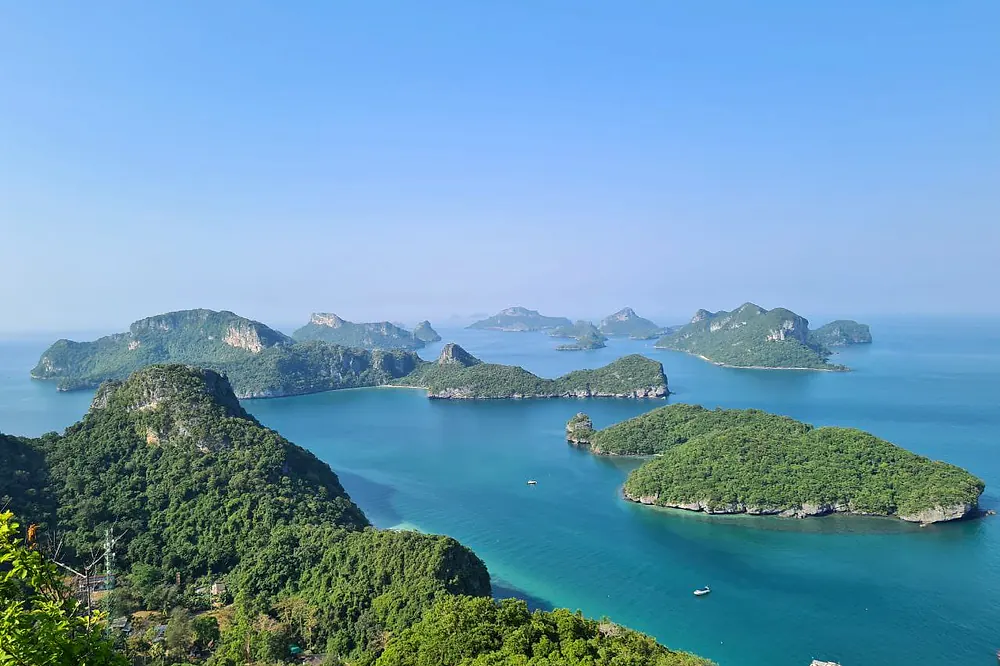
It is late November, the rain has been drumming on the roof since dawn, and the sea off Chaweng is brown and loud. Three months later the same beach is flat, turquoise and so still you can see your feet at chest depth. That contrast is the whole story of the best time to visit Koh Samui: the island has great months and difficult months, and they do not follow the calendar most people expect from Thailand.
I have lived through many seasons here, and the most common mistake I see is people planning Samui as if it were Phuket. The weather pattern is different, and so are the best months for boat trips. Here is what each part of the year really feels like, and what to book when.
For most travellers the best months are roughly February to April, when it is usually dry, sunny and the sea is calm. July and August are a strong second choice, often with good weather while the west coast of Thailand gets heavy rain.
The months to think twice about are October to December, and especially November. That is when Samui gets its main rainy season, with heavy downpours, rough sea on the east coast and the Ang Thong marine park closed for part of it. It is not a write-off, but it is the season when plans change most.
Everything in between is a mix. January can be lovely but sometimes still breezy and wet at the start. May and June are hot and humid with short showers. September is usually fine but less predictable. Weather is never a guarantee, so treat these as patterns, not promises.
Here is the short version, month by month:
| Month | Typical weather | Sea | Best for |
|---|---|---|---|
| January | Mostly sunny, breezy, some early showers | Calming down, can be choppy early in the month | Beaches, island tours later in the month |
| February | Dry, sunny, pleasant | Usually calm | Everything, especially boat trips |
| March | Dry, getting hotter | Calm, clear water | Ang Thong, snorkeling, jet ski |
| April | Hot and dry, Songkran festival | Calm | Boat trips in the morning, pools in the afternoon |
| May | Very hot, humid, first showers | Mostly calm | Quiet beaches, lower crowds |
| June | Hot, occasional short rain | Mostly calm on the east side | Families, boat trips |
| July | Often sunny, short showers | Mostly calm on the east side | Summer holidays, all tours |
| August | Often sunny, busy | Mostly calm, some windy days | All tours, book ahead |
| September | Mixed, more cloud | Variable | Good value, flexible plans |
| October | Rain increases | Getting rougher | Land tours, early in the month boat trips |
| November | Wettest month, heavy downpours | Rough, high waves on the east coast | Elephants, zipline, ATV, spa days |
| December | Rain easing toward the end | Often rough first half | Christmas trips, land tours, boats late in the month |
Samui sits in the Gulf of Thailand on the east side of the country, while Phuket is on the Andaman Sea in the west. They are hit by different monsoons, so their rainy seasons fall at different times of year.

From around May to October, the southwest monsoon brings heavy rain and big waves to Phuket, Krabi and the Andaman coast. Samui is partly sheltered from it by the mainland mountains, and the middle of the year is often one of the better times on Samui. You still get showers, but they tend to be short and the sun comes back quickly.
From around October to December, the northeast monsoon reaches the Gulf. That is when Samui, Koh Phangan and Koh Tao get their heavy rain and rough seas, while the Andaman side is starting its dry season. So if you can only travel in November, the west coast is usually the better bet. If you travel in July or August, the Gulf islands often win.
This is the single most useful fact for planning a Thailand trip. Many visitors cancel Samui for summer because they read "rainy season in Thailand", and miss some of the best weeks of the year here.
This is the classic high season, and it earns the name. The sky is clear more often than not, humidity drops a little, and the sea on the east coast settles into that flat, clear turquoise people come for.
January is a transition month. The first week or two can still bring wind and some rain left over from the monsoon, and the sea off Chaweng and Lamai can stay choppy. By late January things usually calm down. February and March are, in my opinion, the sweet spot: dry, sunny, warm but not yet extreme, and ideal for boat trips.
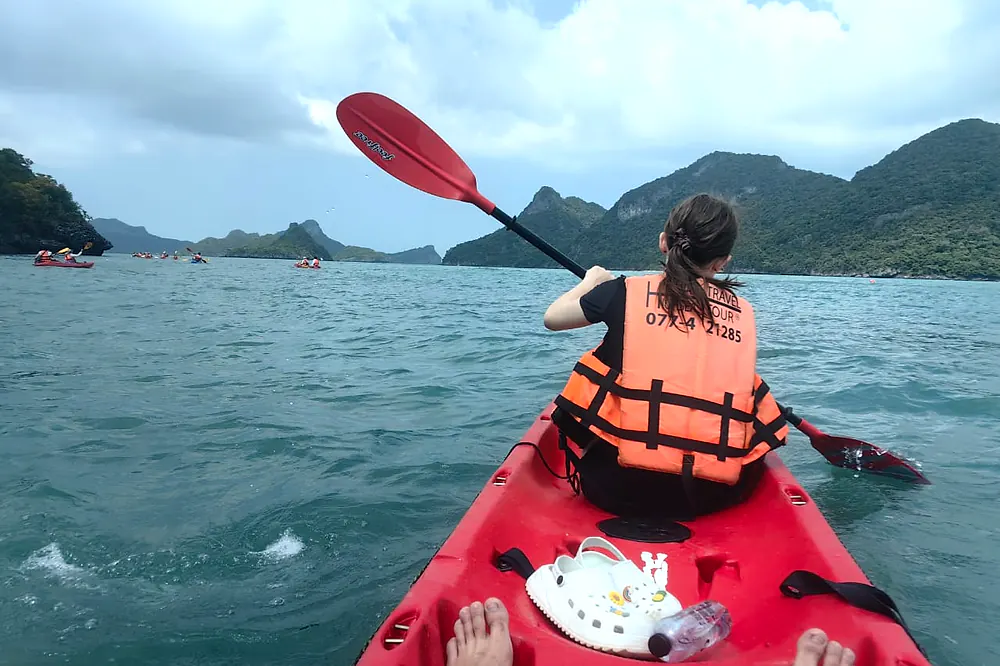
April is the hottest month of the dry season, and Songkran, the Thai New Year water festival in mid April, turns the streets into one long water fight. It is fun, but book everything early, as it is a busy week. By the afternoon in April, most people retreat to the shade or the pool.
The downside of this season is that everyone else knows it is good. Prices for rooms rise, popular beaches are busier, and the best tours fill up a few days ahead. Book your boat trips early in your stay, not on the last day.
April and May are the hottest part of the year on Samui. Expect strong sun from early morning, high humidity and very warm sea water. It is still dry for much of April, and the first showers usually arrive in May.
These months are good for travellers who love heat and want quieter beaches. The sea is usually calm, so boat trips run well, but plan them for the morning and bring more water than you think. The midday sun on an open boat deck or a viewpoint trail is intense.
June feels a little softer. Short tropical showers come and go, often in the afternoon, and cool the air for an hour. Crowds are lower than in the high season, and it is a good month for families with young children who prefer a quieter island.
My tip for the hot months: do your active tours early. The ATV and zipline both have morning starts, and the Ang Thong boats leave in the morning anyway. Spend the afternoon in the water or in the shade, and save the walks for after sunset.
Yes, often a very good time. While Phuket and Krabi are in their wettest months, Samui usually has sunny days with short showers, and the sea on the east side is mostly calm.
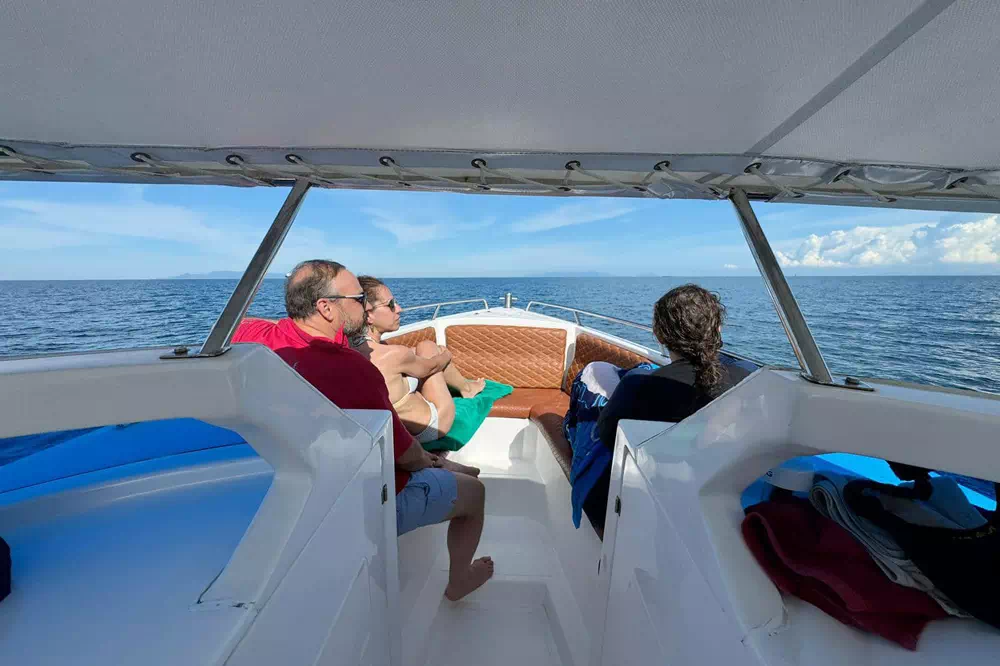
July and August are busy because of European school holidays, so book popular tours a few days ahead. Boat trips to Ang Thong, Koh Tao and Pig Island all run well, and the water is warm. Some days bring wind, and a few may be cloudy, but the overall pattern is good.
September is the least predictable of the three. Some years it is lovely and quiet, other years there are more cloudy and wet days. Prices are lower and the island is calmer, so it suits flexible travellers who can move a boat trip by a day or two.
A note on humidity: even on dry days in the middle of the year, the air is thick. Plan for slow afternoons, drink plenty, and do not judge the weather by the forecast icon. A "rain" symbol on Samui often means one short shower, then sunshine.
This is the main monsoon on Samui. October usually starts the change, November is the wettest and roughest month, and December gradually improves, often becoming pleasant toward Christmas and New Year.
The rain in November is real: long, heavy downpours, sometimes for a whole day, and occasional flooding on low roads. The east coast beaches, Chaweng and Lamai, can get big waves and strong currents, and red flags are common. Swim only where it is safe, and follow the lifeguards where there are any. The west coast around Nathon and Lipa Noi is often calmer.
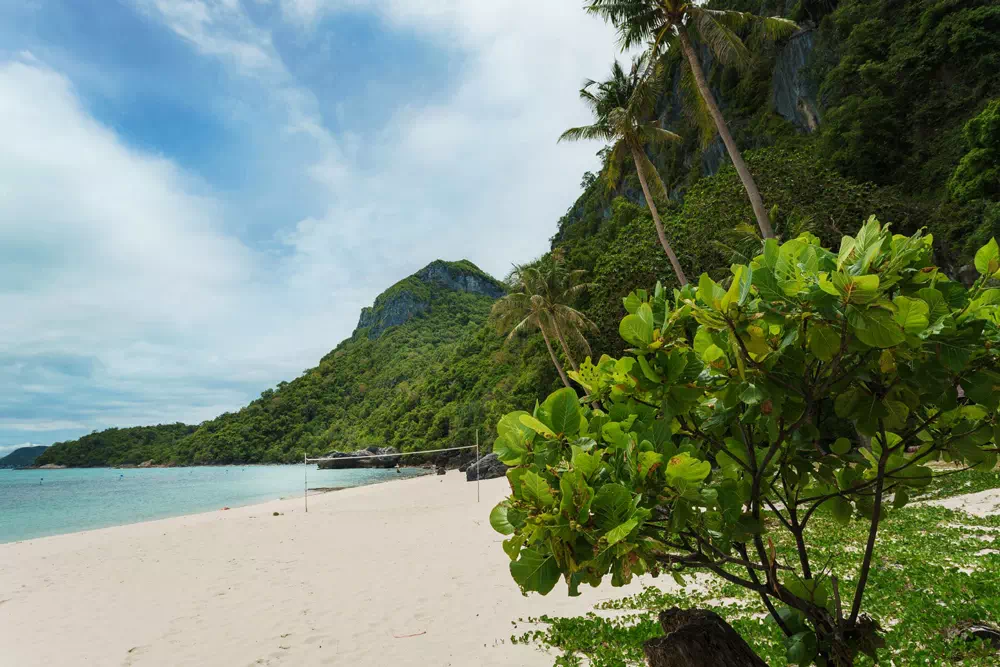
Ang Thong National Marine Park is usually closed every year from 1 November to 15 December for environmental restoration, so no Ang Thong tours run in that period. This affects the big boat, the speedboat and the VIP tour equally. Other boat trips can also be cancelled on rough days, which is a safety decision, not bad luck with the operator.
It is not all bad. Rain often comes in bursts, with dry hours in between. Rooms are cheaper, the island is green and quiet, and the land tours work fine. If you are coming in this season, keep plans loose and have a list of rainy-day options. A separate article on Samui in November is coming soon.
Boat trips are best in the calm months, roughly February to September. Land tours, such as the elephant sanctuary, the zipline and the ATV safari, run all year and are the backbone of any rainy-season plan.
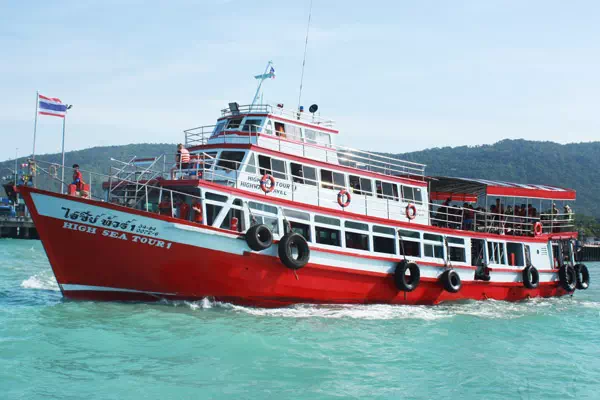
Ang Thong is the tour where timing matters most. The Ang Thong big boat tour from ฿1100 is a full 8-hour day, with about 1.5 hours of sailing from Nathon Pier to the first stop. It is comfortable and relaxed, and in calm months it is the best value. The Ang Thong speedboat tour from ฿1890 is faster and includes kayaking. The VIP speedboat tour to Ang Thong from ฿3890 takes a maximum of 16 people and runs on Tuesday, Thursday and Saturday.

Here is how I would match tours to seasons:
Here are the three Ang Thong options: the big boat for a relaxed, budget day, the speedboat for less time on the water, and the VIP for a small group:
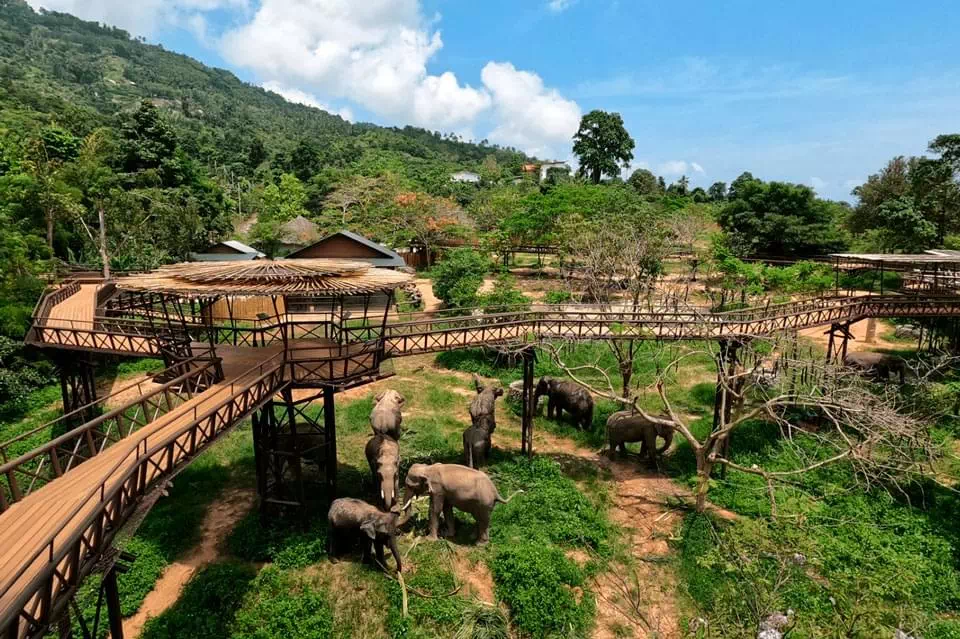
For rainy weeks, the Samui Elephant Kingdom sanctuary visit is the best choice. It is an ethical sanctuary with no riding and no chains, and it works in any weather.
Pick your month first, then book boat trips early in your stay. That one habit saves more holidays than any forecast.
If you are unsure whether a tour is running on your dates, send a booking request on the tour page or message the team on WhatsApp with the date. You will get an honest answer about conditions before you pay.
Rooms are usually cheapest in the rainy season, from October to early December, and in the quieter shoulder months such as May, June and September. You get fewer crowds, but you need to accept more rain or heat. Boat tours to Ang Thong do not run from 1 November to 15 December.
It can be, if you want a quiet, green island and do not mind rain. Expect heavy showers, rough sea on the east coast and no Ang Thong tours. Land activities such as the elephant sanctuary, the zipline and the ATV safari still run.
Usually not. Even in November, rain often comes in heavy bursts with dry hours in between, though some days are wet from morning to night. In the middle of the year, showers on Samui are usually short.
The calmest and clearest water is usually from around February to September, with March and April often the best. Snorkeling on Ang Thong, Koh Tao and Koh Tan tours is easiest then. In the rainy season the sea can be rough and visibility poor.
Yes, it is often one of the better periods, because Samui misses most of the monsoon that brings heavy rain to Phuket at that time. Expect sunny days with short showers. It is busy with summer holidays, so book tours a few days ahead.
Ang Thong is usually open all year except from 1 November to 15 December, when it closes for environmental restoration. Outside those dates the big boat, speedboat and VIP tours run, though rough sea can cancel a trip on a given day.
Samui Elephant Kingdom, the Hawk Adventure zipline and the ATV safari run all year and are the best options for rainy days. Very heavy storms can still change plans, so check with the team the evening before. Boat trips depend on sea conditions.
Hotel pickup, insurance and a licensed local operator. Ask us anything on WhatsApp before you book.
Updated 28 October 2026.