WhatsApp
+66-957-269-990
- info@gosamuitours.com


An honest guide to Lamai Beach: where the swimming is good, when the sea turns rough, what the evenings are like compared with Chaweng, and who will be happiest staying here.
It is seven in the morning on Lamai Beach, the sand is still cool, and the only people around are a man raking seaweed and a dog that clearly owns the place. By late afternoon the same spot has sunbeds, coconut sellers and kids in the shallows. Lamai beach changes a lot through the day and through the year, and that is exactly what you should know before you book a room here.
I like Lamai more than most places on Samui, but it is not for everyone. Here is what it is really like: the swimming, the rocks, the food, the nights, and the months when the sea has other plans.
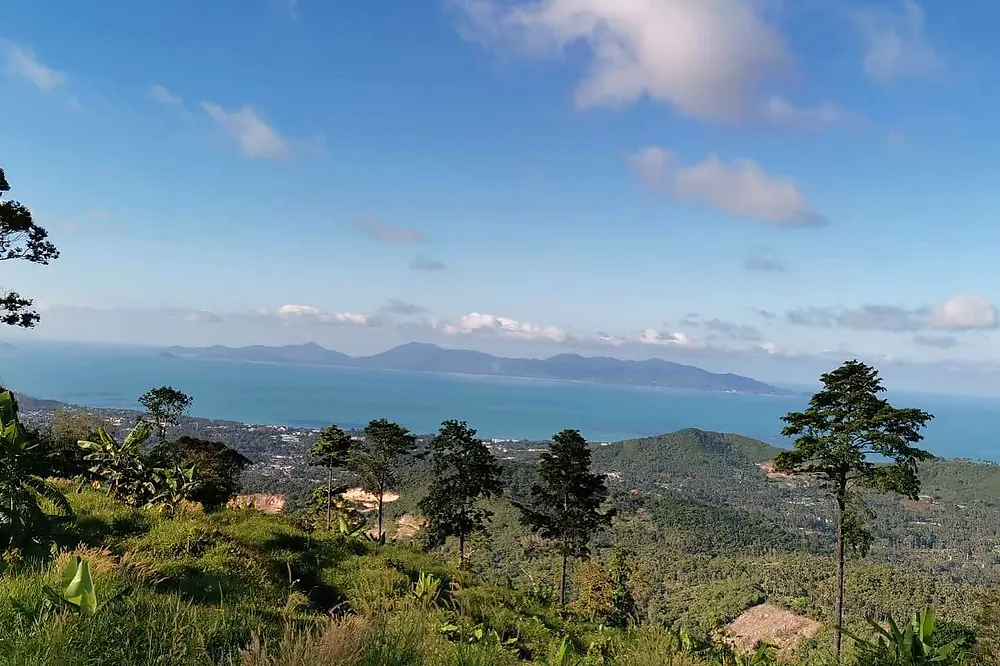
Lamai Beach is a long curve of pale sand on the southeast coast of Samui, generally counted as the second biggest beach area on the island after Chaweng. It feels like a small town with a beach attached, not a resort strip. You get a fresh market, schools, temples and local shops only a short walk from the sunbeds.
The bay has three moods. The northern end is calm and low-key, with smaller places to stay and more space on the sand. The middle is the busy part, where the main road, the bars and most of the restaurants sit just behind the beach. The southern end narrows towards granite boulders and feels more scenic, with a good view back along the bay.
Behind the sand, green hills rise quickly, which gives Lamai a nicer backdrop than the flat stretches of the north coast. The downside is the main road through town. It is not pretty, it can be loud with scooters and it has its fair share of closed shopfronts, so do not expect a polished resort town when you step off the beach.
Prices are one of the reasons people choose it. In general terms, rooms and meals tend to run a little cheaper than the middle of Chaweng, though beachfront resorts here can still be expensive. Long-stay visitors like it for that reason, and you will notice plenty of people who came for two weeks and stayed for a whole winter.
Yes, for most of the year, but it depends on the month and on which part of the beach you pick. The middle of the bay usually has the easiest water, with soft sand and enough depth to actually swim. Towards the ends the sea gets shallower and rockier, especially at low tide, when you may have to wade for a while before it reaches your waist.
Now the honest part. Lamai faces east, so it takes the wind and the swell of the northeast monsoon. Around November and December the waves can get big, the water turns cloudy and the beach is narrower and covered in whatever the sea has thrown up. Some days it is fun to jump in the surf if you are a strong swimmer. Other days it is plain dangerous.
Please take the flags seriously when they are out. Currents on this side of the island have caught out confident adults, and there is no lifeguard team waiting along the whole length of the bay. On a rough day, sit at a beach bar and watch the show, or head to a hotel pool.
For a wider view of the seasons, read the month by month guide to Koh Samui weather. If your dates fall in the rainy months, Lamai can still be a good base, but it should not be the only thing you are counting on.
Lamai is not a snorkelling beach. You may see a few small fish around the rocks on a flat day, but the water near shore is not clear enough to make it worth carrying a mask. For proper reefs you need a boat.
Yes, as a short stop, not as a reason to cross the island. Hin Ta and Hin Yai, the Grandfather and Grandmother rocks, are natural granite formations at the south end of Lamai, and they are famous because they look remarkably like male and female private parts. You need about as long as it takes to laugh, take a photo and climb around a little.

The legend behind them tells of an elderly couple who were shipwrecked on the way to arrange a marriage for their son, and whose bodies turned into these rocks. It is a sweet story, and locals tell it with a straight face. Thai families visit too, and the mood is more cheerful than embarrassing.
The walk down goes past a row of souvenir stalls and small shops, and it gets crowded when tour vans arrive. Early morning is by far the best time. The rocks themselves are smooth and steep in places, so go carefully, and stay away from the edge when the sea is rough.
While you are at that end of the bay, look for the local sweets. This is a good place to try kalamae, the sticky coconut and palm sugar candy that Samui is known for. It makes a cheap and easy gift to take home, as long as it does not melt in your bag.
Eat at the market and at small family places just off the main road, and treat the beachfront restaurants as somewhere to enjoy the view. The best food in Lamai is usually the plainest looking. You will pay more on the sand, and the cooking is often no better than what you get from a plastic stool two streets back.

The fresh market in the centre of town is worth a morning visit even if you do not need anything. It is where locals buy their fish, fruit, curry pastes and ready-made meals in little bags. Go hungry, point at what looks good, and do not be shy about asking the price first. Look for grilled pork, sticky rice and whatever fruit is in season.
The evening is when the Lamai Walking Street comes to life, usually on Sunday. Stalls fill the road with grilled seafood, noodles, sweets, clothes and cheap souvenirs, and there is often live music somewhere along the way. It is a fun, crowded and sweaty couple of hours, and a good first night out if your dates allow. Days and hours can change, so ask at your hotel or check on the day.
Lamai also has plenty of European food, thanks to its long-stay residents, so you will find decent bakeries, pizza and coffee if you need a break from chilli. A good rule is to order Thai food where you see Thai customers, and pizza where you see tables of relaxed Italians.
Lamai nights are quieter, smaller and more casual than Chaweng. You get bars and live music here, but not the big clubs and all-night crowds. If going out dancing until sunrise is the main point of your holiday, stay in Chaweng and visit Lamai for a day.
The nightlife in Lamai sits mostly in a small area of the centre, with open-air beer bars and some late-night venues. A few of those bars are the hostess type, and while nothing about them is threatening, this corner is not everyone's idea of a family stroll. It is easy to avoid, because you can stay at either end of the bay and never walk past it.
Here is how the two compare in practice:
| What matters | Lamai | Chaweng |
|---|---|---|
| Beach | Long and scenic, with more space at the ends | Long and popular, busier in the centre |
| Nightlife | Bars and live music, a small late-night area | Big clubs, large bar streets, open very late |
| Food | Fresh market, family restaurants, European bakeries | Huge choice, more international chains |
| Prices | Often a little cheaper | Often a little higher in the centre |
| Feel | Small town, many long-stay visitors | Full tourist centre, plenty of noise |
| Rough sea months | Also affected, both face east | Also affected, both face east |
One thing the table does not show: Chaweng is only a short drive over the hill. Staying in Lamai does not cut you off from a big night out, you just need a taxi home, and late-night fares are worth agreeing before you get in. Do not ride a scooter home after drinking, however close it looks on the map.
Lamai suits couples, long-stay visitors, budget-minded travellers and families who pick their spot with care. The choice of end matters more than the choice of hotel. A family in the quiet north of the bay has a very different holiday from a group of friends renting a room above a bar street.
Stay in Lamai if this sounds like you:
Look elsewhere if you need calm water in November and December, since the east coast is not the place for that. People who want polished luxury will probably do better in the small bays further north. And if your dream is to step out of your door straight into the clubs, you already know the answer is Chaweng.
One practical warning about rooms. A place described as near the beach may sit on the main road, and the road noise is real. Look at a map before you pay, and if you sleep lightly, ask for a room at the back.
The south of the island is on your doorstep, so day trips are easy. Lamai is close to the Na Muang waterfalls, Wat Khunaram and the quiet fishing village of Hua Thanon. You can see all of these in an easy half day with a driver.

Wat Khunaram holds the mummified monk Luang Pho Daeng, seated upright behind glass, wearing sunglasses to hide his empty eye sockets. It sounds odd, and it is, but the temple is treated with real respect, so cover your shoulders and knees. Hua Thanon, just south of Lamai, is a Muslim fishing village with painted boats and a slower rhythm, and it gives you a very different picture of Samui.
The viewpoint on the road between Lamai and Chaweng is the classic photo stop. On a clear morning you can see the long curve of the bay from above, and it helps you understand how the whole area fits together. Early is better, for the light and for the heat.
Beyond that, Lamai has massage shops on nearly every corner, plus Muay Thai gyms where visitors can train. Do not expect anything fancy from most of them, but a cheap massage after a beach day is one of the small pleasures of living here.
Yes. The tours sold through gosamuitours.com that include a hotel transfer collect guests from Lamai, so you do not need a car. Your exact pickup time depends on the tour and on where you are staying.
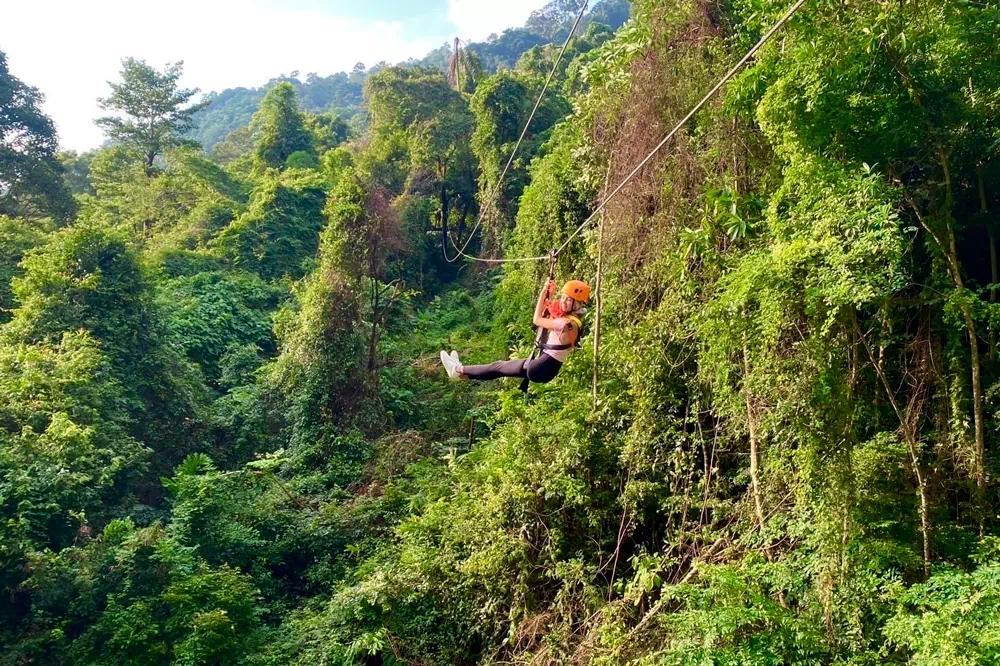
Here is what that looks like in real life. The Hawk Adventure zipline has three transfers a day, with pickups in Lamai at 09:10-09:30, 12:30-12:50 and 15:00-15:25. You choose Silver at ฿1690 or Gold at ฿2390, and the Gold route takes around two hours. Wear closed shoes and bring a passport copy or photo for the insurance.
The jet ski safari to Pig Island and Koh Tan starts at Chaweng Beach, with the hotel transfer included. It costs ฿5990 per jet ski and two people can share one. The Samui Elephant Kingdom visit is ฿2890 with hotel transfer and buffet lunch, and it is an ethical sanctuary with no riding and no chains. It is the one I would book first with children.
The ATV and buggy safari begins at ฿2190 for a two-hour quad with one driver, with the round-trip transfer included. For something calmer, the morning or sunset Pig Island boat trip costs from ฿1490. Anglers should note that the Mr. Tu sea fishing trip from ฿1690 includes free hotel transfer from Four Seasons to Lamai, so this bay is inside the free zone.
These are the four trips most guests choose first, and each one suits a different kind of day: speed on the water, height above the jungle, mud and dust on land, or a gentle morning with elephants.
Most mistakes in Lamai are small and easy to avoid. Check the sea before you plan the day, not the other way round. A few more things that are useful to know:
All tours and current prices are on the Go Samui Tours home page, and you can ask questions on WhatsApp or through the booking request on any tour page.
Choose Chaweng if you want the biggest choice of restaurants, shops and nightlife right outside your hotel. Choose Lamai if you prefer a slower town with a similar long beach and often slightly lower prices. They are close enough that you can easily visit one from the other in an evening.
On calm days the shallow water at the ends of the bay works well for small children, and the sand is soft. On rough days, especially around November and December, keep them out of the water and follow the flags. Pick a hotel away from the central bar area if you want quiet evenings.
Yes, and it is one of the best things to do here, especially early in the morning or close to sunset. It is a long walk, so bring water and a hat. There are plenty of places to stop for a cold drink along the central part.
Not for daily life if you stay near the centre, since the beach, market and restaurants are all walkable. Taxis and songthaews (shared pickup trucks) cover the rest, and many tours include hotel pickup. Fix the taxi fare before you get in.
The Lamai Walking Street usually runs on Sunday evenings along a road in the town centre, with food stalls, clothes and souvenirs. Smaller evening stalls also appear on other nights around the centre. Schedules can change, so check with your hotel on the day.
It can be, if you choose a resort at the quieter end of the bay and avoid rooms near the central bars. Couples who want total privacy and a more polished setting often prefer the small bays in the north of the island. Lamai is the better pick if you want some town life within walking distance.
Jellyfish can appear on Samui beaches from time to time, depending on the season and the currents. Look for warning signs, ask at the beach bars and get out of the water if you see any. If you get stung, ask for help straight away and get medical advice if the reaction is strong.
Hotel pickup, insurance and a licensed local operator. Ask us anything on WhatsApp before you book.
Updated 15 November 2026.