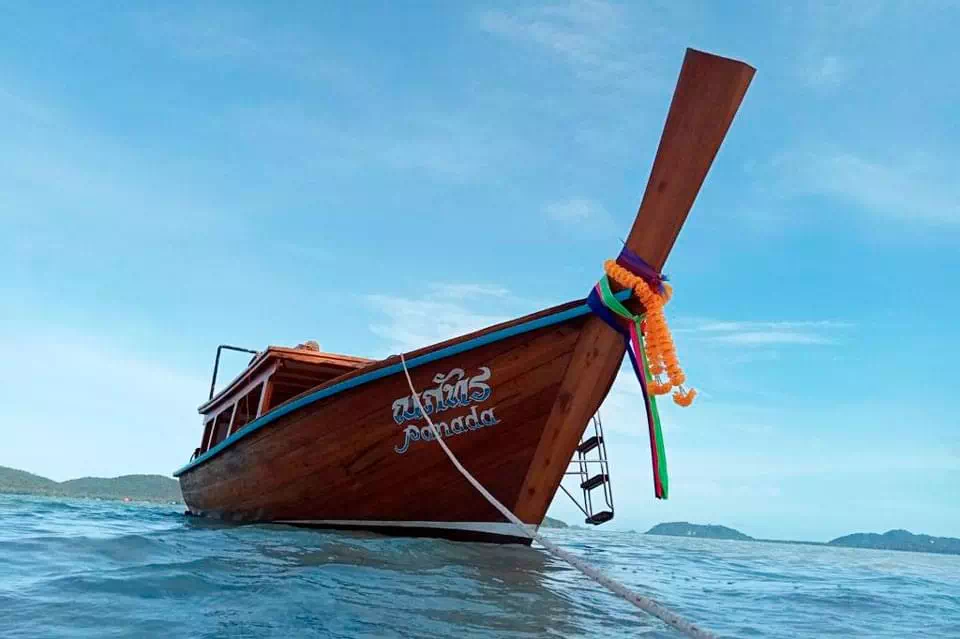
WhatsApp
+66-957-269-990
- info@gosamuitours.com


Why divers leave Samui for the reefs around Koh Tao, what a beginner or certified dive day really includes, and how to deal with ears, seasickness and the weather.
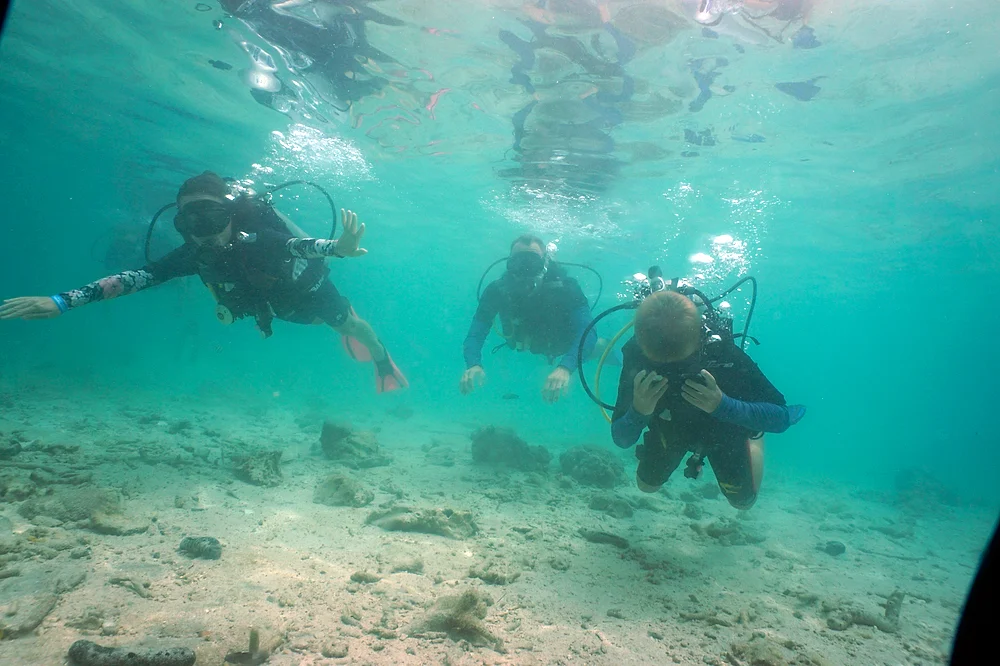
You are on a sunbed in Chaweng, looking at flat blue water, and someone at the bar says you should really try scuba while you are here. So you ask where to go, and the answer is not this beach. Diving Koh Samui almost always means getting on a boat and heading north to the waters around Koh Tao.
I think it is worth doing, even if you have never breathed from a tank. But it is a long day at sea, it depends on the weather, and a few things are better to know before you pay. Here is what I tell friends.
Because that is where the reefs are. The strongest dive sites in this part of the Gulf of Thailand are Sail Rock, Koh Tao and Nang Yuan, not the beaches of Samui itself. Samui's shallow, sandy coast is lovely for swimming but has little to offer a diver.
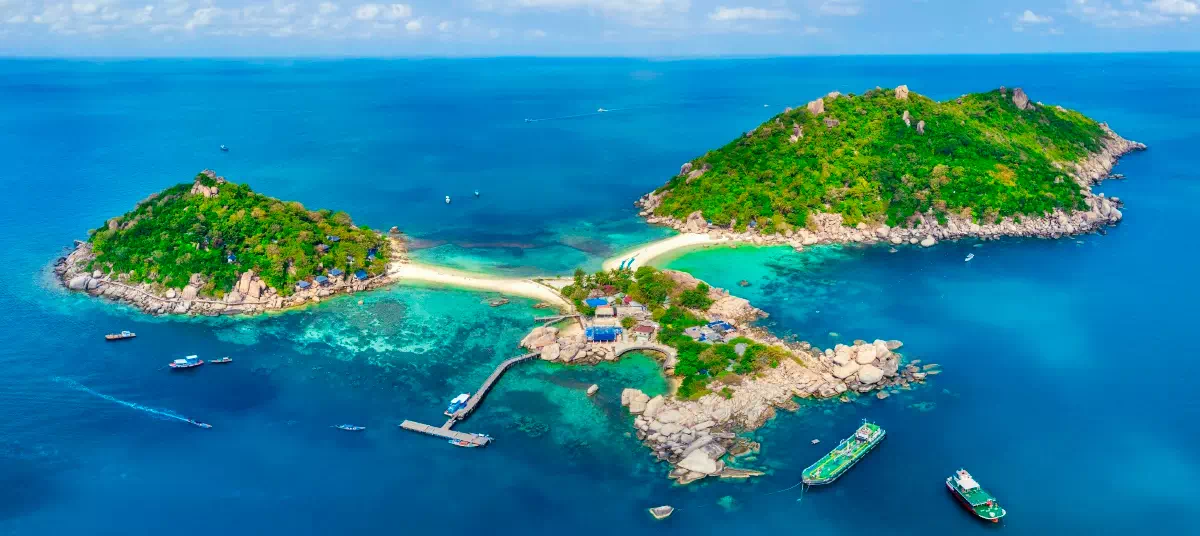
Koh Tao has built its whole reputation on diving. Over the years it has become one of the best-known places in Thailand to learn, with calm bays, plenty of coral and a lot of sheltered water for first-timers.
Nang Yuan, just off the coast of Koh Tao, is the spot I would choose for a first dive from Samui. The water clarity is excellent on a good day, the coral begins right from the shore, and there is a white-sand beach waiting between dives.
The price of all this is distance. Staying on Koh Tao would put you minutes from the dive sites, while from Samui you have to cross open sea each way. For a keen diver who wants many dives, moving to Koh Tao for a few nights makes more sense. For someone who wants one good dive day during a Samui holiday, the day trip is the simple answer.
Yes, you do not need a certificate or any experience for an introductory dive. The tours cover everything from a first introductory dive to full programs for certified divers, and the two groups are handled differently.
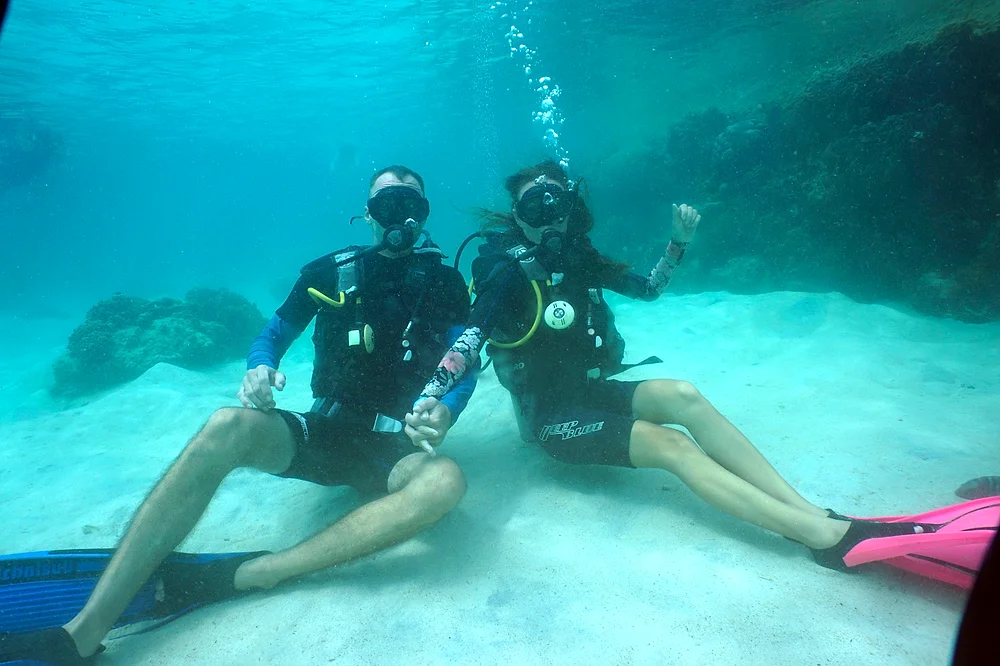
An introductory dive is not a course and does not give you a licence. The instructor runs a full safety briefing, shows you how to breathe through the regulator, how to clear water from the mask and how to signal, and then stays close to you under water.
Most people spend the first minutes concentrating on their breathing, and that is fine. The anxious moment usually passes once you realise that you can simply breathe. After that, you start noticing fish, and the time goes much too quickly.
Be honest with yourself about one thing. If you feel real panic in deep water or with your face covered, try a snorkel first. A calm day with a mask is a far better start than a frightening dive you never want to repeat.
Dive tours start from ฿4790, and the Nang Yuan program by catamaran costs ฿5990 and gives you two dives with an instructor. The day starts with a hotel pickup and a transfer to the pier, then the catamaran sails to Nang Yuan.
| Destination | Who it suits | What to expect |
|---|---|---|
| Nang Yuan | Beginners, families, mixed groups | Two dives, reef from the shore, calm conditions, beach time between dives (฿5990) |
| Koh Tao | Beginners and certified divers | Well-known reefs, see the tour page for the current program |
| Sail Rock | Certified divers only | Underwater pinnacle with a vertical wall that drops to over 30 metres |
According to the tour page, the price includes these items:
Bring swimwear, a towel, waterproof sunscreen and light clothes for the beach. A GoPro is useful if you have one, but hand it to someone else or leave it on the boat on your first dive. You will have enough to think about.
If a non-diver is coming with you, this tour works well, because companions can snorkel while you are under water. Between dives you get free time on the beach, with the option of climbing to the panoramic viewpoint. Do the climb after the swimming, not in a rush between tanks, and drink plenty of water.
You will find the current programs on the scuba diving page for Sail Rock, Koh Tao and Nang Yuan, and it is worth checking which one suits your level before you ask for a date.
Most reasonably healthy people can try diving, but some medical conditions need a doctor's approval first, and you should declare them honestly on the form. Age limits and paperwork can vary by program, so ask before you book if you are diving with a child or an older relative.
Pressure under water is not something to gamble with. These are the conditions that usually need a doctor's opinion:
A blocked nose counts too. Diving with a cold can hurt your ears badly, so if you wake up congested on the day, say so and move the date if possible. I know that is annoying on a short holiday, but a damaged eardrum would ruin all your swimming for the rest of the trip.
Plan your flights as well. Flying soon after diving carries a real risk of decompression sickness, so leave at least a full day between your last dive and your plane, and ask the instructor about the recommended gap. Do not book the dive for your last day on Samui.
Also go easy the night before. A big night in Chaweng, followed by an early pickup, a boat crossing and a first dive, is a very bad combination.
You pinch your nose and blow gently against it, early and often, on the way down. Equalise before you feel pain, every metre or so, and never force it. This is the skill that decides whether a first dive feels easy or miserable.
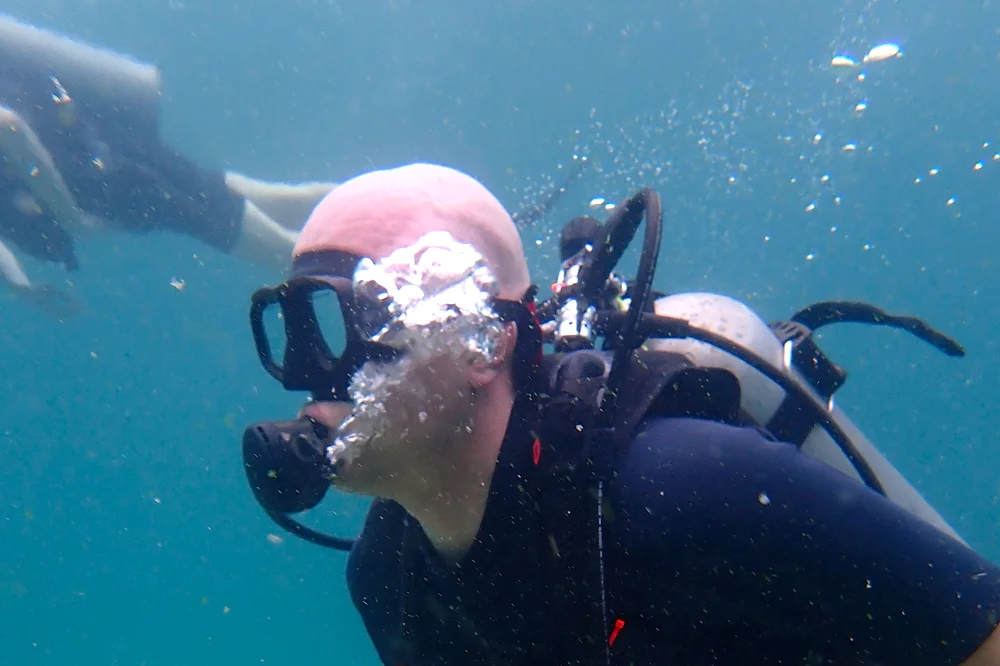
As you descend, water pressure pushes on your eardrums. Blowing gently with your nose pinched opens the small tubes in your ears and balances that pressure. You will feel a small click or pop, the same as in a descending plane.
If it does not clear, signal to the instructor and go up a little until the pressure eases, then try again. Swallowing or moving your jaw from side to side can help. Going slowly is completely normal, and nobody on a good dive team will mind waiting.
Practise a few times on the boat before you get in the water, so you know what the click feels like. If your ears refuse to clear at all, stop. Pushing through pain is how people get injured, and a shallow, shortened dive is no failure.
You might, especially on a windy day. The crossing is open water, so if you are prone to seasickness, take a tablet before you board rather than after you start to feel ill. Ask the instructor if the tablet you have is fine for diving, because some of them make you drowsy.
A few simple habits help more than people expect. Sit outside if you can, in the middle of the boat, and look at the horizon rather than your phone. Eat a light breakfast and skip the coffee and fried food. Ginger sweets help some people too.
Feeling sick on the surface is not the end of your day. Many people find they feel better once they are under water, because the rolling of the boat stops. Still, tell the instructor how you feel. If you are truly unwell, sitting out a dive is the right call.
Conditions are usually good for much of the year, but the northeast monsoon at the end of the year brings the roughest seas and the poorest visibility. Water clarity varies from week to week, so treat this table as a general guide and not a promise.
| Period | Sea and visibility | My advice |
|---|---|---|
| January to April | Generally calmer, visibility improving through the period | A good choice, though January can still be windy |
| May to September | Often the calmest sea and good visibility | The time I would pick for a first dive |
| October | Changeable, with more rain arriving | Keep your dates flexible |
| November and December | Rough spells, cloudy water, trips may be cancelled | Book early in your holiday and have a backup plan |
The month-by-month picture is in the guide to the best time to visit Koh Samui. If you are here during the rainy spell, read about what November weather really looks like before you plan any boat day.
A cancelled dive is always annoying, but no good operator sails into bad conditions just to keep a booking. Book your dive for the start of your stay, so that a weather change does not cost you the trip. That one decision saves more holidays than any other tip here.
For anyone curious about the underwater world, I think it is worth it. Nang Yuan is the choice I recommend to most beginners, while Sail Rock is only worth considering once you are certified. It is one of the few days on a Samui holiday that feels completely different from the others.
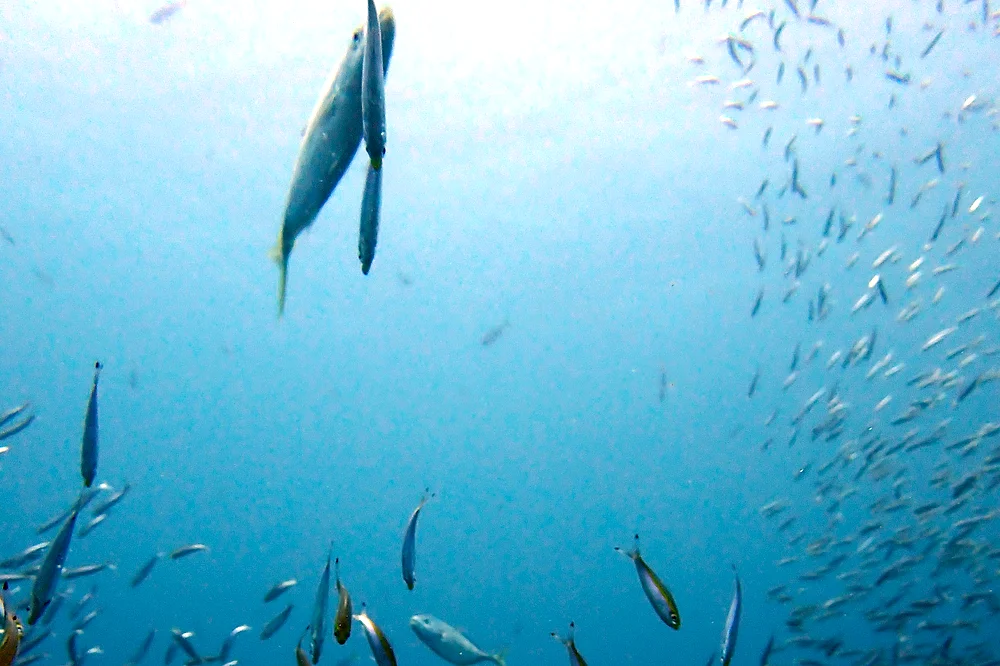
Sail Rock has the big reputation, with barracuda, napoleon fish, huge schools of tropical fish and the occasional whale shark for the lucky. But with a vertical wall dropping beyond 30 metres, it is not a place for learners, and the tour page is clear that it is for certified divers only.
Be realistic about the length of the day as well. Between the hotel pickup, the pier, the crossing, two dives, lunch and the trip back, this takes up your whole day, and you will be properly tired by the evening. Do not plan a big dinner or a night out afterwards, and keep the next morning free.
The weather can also change the plan at short notice. Sea conditions decide whether the boat sails and how clear the water is when you get there, and nobody can promise you a perfect day when you book. If that kind of uncertainty would spoil your holiday, a land trip may suit you better.
Skip diving altogether if you mainly want a beach day, if you dislike long boat rides, or if your holiday is too short to absorb a lost day. The Koh Tao and Nang Yuan snorkelling day trip takes you to the same beautiful place from ฿1890, and it is the right call for many people.
Choose the dive tour if you want to be under water with an instructor, and the snorkeling trip if you would rather stay on the surface and see the islands without the equipment.
Before you send a booking request, have these ready: your diving level, any certification card, any medical conditions, your hotel name and your flight date. A short WhatsApp message with those details will quickly confirm which program and date make sense for you.
Not for an introductory dive with an instructor, which is what beginners usually do at Nang Yuan. You do need a certificate for Sail Rock. Bring your card if you have one, and mention your last dive date when you book.
You should be comfortable in the water, even though the instructor stays close on an introductory dive. If water makes you nervous, try a snorkeling day first. Mention your swimming level when you book, so the instructor knows what to expect.
Glasses will not fit under a mask. Soft contact lenses usually work, though you should keep your eyes closed if water enters the mask. Ask whether a prescription mask is available before the day.
Possibly, but nobody can promise it. Whale sharks visit Sail Rock, but sightings depend on luck and the season. Go for the wall and the schools of fish, and consider any whale shark a bonus.
Yes, and that is one of the strengths of the Nang Yuan day. Companions can snorkel while the divers are under water, and everyone can enjoy the beach between dives. Just say how many divers and how many snorkelers you are when you book.
An introductory dive day is a taste of diving and does not give you a licence. A full certification takes several days, so it does not fit into one trip. Enjoy the day first, and if you love it, ask about training options.
Boats do not leave when the sea is unsafe, and this can happen, especially late in the year. Ask about the options for moving your date when you book. This is the best reason to schedule the dive early in your stay.
Hotel pickup, insurance and a licensed local operator. Ask us anything on WhatsApp before you book.
Updated 14 November 2026.