WhatsApp
+66-957-269-990
- info@gosamuitours.com


How children of different ages experience an ethical elephant sanctuary on Koh Samui, how close they really get, which rules matter and how to plan the day without stress.
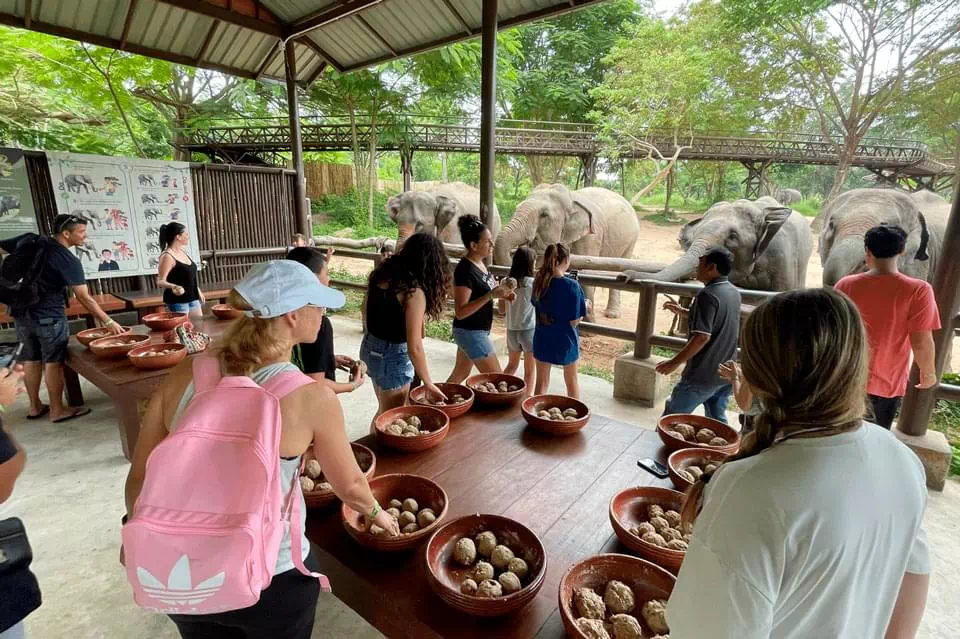
Your seven-year-old has been talking about elephants since the plane landed, and you are trying to decide if a sanctuary visit will be the highlight of the trip or a hot, whiny morning. From what I have seen with many families, an elephant sanctuary in Koh Samui with kids is one of the easiest wins on the island, as long as you choose an ethical place, pack properly and let the keepers set the pace.
This guide follows a family visit to Samui Elephant Kingdom from the hotel pickup to the drive home, with honest notes on ages, safety and the small things that make the day go smoothly.
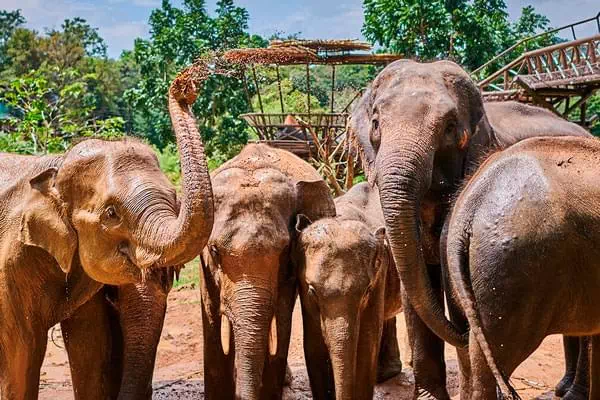
Yes, for most children it is one of the best half days on the island. Samui Elephant Kingdom is an ethical sanctuary with no riding and no chains, so the visit is about feeding, watching and learning, not climbing onto an animal.

That matters for families in two ways. First, nobody performs for you. The elephants walk, eat, swim and sometimes ignore you completely, and children find that more interesting than any show, because it is real. Second, you will not have to explain later why an elephant was tied up or carrying people on its back.
The park was founded in 2019 by Chokchai Ruengsri, whose family has cared for elephants for several generations. Every elephant here was rescued from the logging industry or from tourist shows. Older kids almost always ask about this, and the guide is happy to tell the story of where the animals came from.
The whole trip takes about 4 hours, including the hotel transfer. For children this is a sensible length: long enough to feel like a real adventure, short enough that energy lasts until lunch is over. You can see the full programme on the Samui Elephant Kingdom tour page.
Children from about four to twelve get the most out of it, because they can join every part of the visit and still find it magical. Toddlers and teenagers enjoy it too, just in a different way, and it helps to know what to expect from each age.

The table below is based on what I have watched families go through, not on official park rules. For child prices and any age questions, send a booking request and check before you pay.
| Age | What they love | What to watch for |
|---|---|---|
| Babies and toddlers | Watching elephants splash in the pool from above | A baby carrier is easier than a pushchair on walkways and paths |
| 4 to 7 years | Feeding from the basket and seeing a trunk up close | The size can surprise them, so hold hands at ground level |
| 8 to 12 years | Making the health balls and hearing each elephant's story | This is the sweet spot, they will want to stay longer |
| Teenagers | Photos, the rescue backstory and the ethics side | They may act bored until the first trunk reaches for them |
With toddlers, keep your expectations simple. They will not remember the conservation talk, but they will point and shout at the elephants in the water, and that is enough. One parent can stay with the little one in the shade while the other joins the older child for feeding.
Teenagers are the group parents worry about most, and they usually surprise everyone. An elephant gently taking a banana from your hand is hard to stay cool about, even at fifteen. Give them the camera and a job, such as filming the younger siblings, and they get involved.
Very close. Children prepare the food, hand-feed the elephants directly from their palm, and later stroke them and stand beside them for photos, always with the staff nearby.

The visit starts with making so-called health balls: rounds of rice, herbs and spices that support the elephants' immune systems. The guide shows how to mix and shape them. Kids love this part because it is messy and because they know exactly who is going to eat their work.
Next comes the 400-metre Skywalk, a floating bridge above the sanctuary and the first of its kind on Koh Samui. Each guest gets a basket of treats, and the elephants know the routine: they walk up below the bridge and raise their trunks for food. For nervous or small children, feeding from the Skywalk is the ideal first contact, because the height keeps a comfortable distance while the trunk still reaches the hand.
There are shaded rest spots on the bridges, which is useful when a child needs a break. From up there you can watch the elephants forage, interact with each other and splash in the pool.
Then the guide takes the group down into the park itself, where you can approach the elephants on the ground, stroke them and take photos right beside them. This is where you want a firm hand on younger kids. If you want a step-by-step picture of the whole visit, read our earlier article on what actually happens at Samui Elephant Kingdom.
The main rule is simple: children stay with an adult and do exactly what the keepers say. Elephants here are calm and used to people, but an adult elephant is a huge animal, and a friendly swing of the head or a step to the side can knock over a small child without any bad intention.
The sanctuary team knows every elephant by name and reads their mood far better than any visitor can. If a keeper says step back, step back first and ask why later. Explain this to your kids in the car, before the excitement starts, so it is not a surprise.
These are the rules I go through with children before any visit:
A trunk is strong, wet and sometimes sticky, and the first touch can make a small child jump. That is normal. Laugh it off, stay calm yourself, and most kids are asking for another turn within a minute.
The other safety issue is not the elephants at all, it is the heat. Samui is hot and humid most of the year, and children lose fluids fast when they are excited and running around. Use the drink breaks and the shade, and do not push a tired child to finish every part of the visit.
Pack for sun, bugs, mud and sticky hands. The sanctuary recommends sunscreen, a hat and sunglasses, a camera, comfortable closed-toe shoes and insect repellent, and with children I add a few things on top.
Here is the family packing list that works for me:
Closed-toe shoes and a full change of clothes are the two things parents forget and then regret. Elephant feeding is not a tidy activity. Rice, herbs and trunk moisture end up on T-shirts, and the ground in the park can be muddy, especially in the rainy months from October to December.
Light, long, loose clothing is a good idea for kids who get bitten easily. It also helps with the sun on the open bridges. Leave expensive toys and tablets at the hotel, there is more than enough to look at.
Make the sanctuary the only fixed plan of the day. With hotel pickup, drop-off, welcome tea and coffee, snacks and a full buffet lunch all included, the logistics are already done for you, so the rest of the day can be pool and nap time.

The transfer is a real help for families. You do not need to rent a car, fit car seats or find the way through the hills. Ask about pickup times when you book, and have everyone dressed, creamed and fed a light breakfast before the minivan arrives.
Because lunch is part of the visit, kids eat as soon as the activity ends, which avoids the classic post-adventure meltdown. The open-air café area also gives parents a moment to sit down with a coffee while the children compare photos.
My honest advice is not to stack two big tours on the same day with young children. A sanctuary morning followed by an afternoon boat trip sounds efficient but usually ends in tears, often the parents'. Spread the activities out and leave a beach day in between.
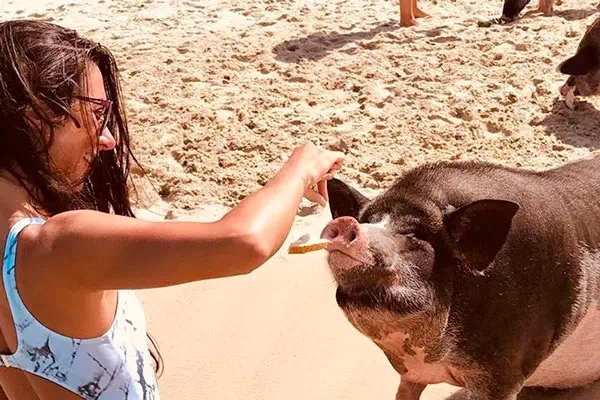
For another animal day later in the week, the Pig Island tour to Koh Madsum and Koh Tan has child prices: ฿1190 for ages 4 to 9 and free for infants up to 3. For a quieter option with local animals and a swimming pool, look at Paradise Park Farm.
The elephant sanctuary suits every family with animal-loving kids, and Pig Island suits families who also want a beach, kayaks and easy snorkelling in the same half day.
For most families, yes. The tour starts from ฿2890, and for that you get the transfer, the feeding, the Skywalk, time with the elephants on the ground, a guide, drinks, snacks and a buffet lunch, all inside about 4 hours.

What you are really paying for is peace of mind. You know the elephants are not ridden or chained, and you know your children are supervised by a team that works with these animals every day. That is worth more than a cheaper roadside stop where you cannot be sure how the animals live.
Who should think twice? Children who are truly frightened of big animals may spend the visit hiding behind you, so talk it through first and show them photos and videos at home. Very young babies get little from it, although parents of older siblings often bring them anyway, and that works fine with a carrier.
Families who want a long, active day should combine it with something else on another day instead. The sanctuary is a gentle, emotional experience, not an adrenaline one, and that is exactly why it works with kids.
A little preparation the night before keeps the morning calm. Run through this list before you go to bed:
If you want to compare the elephant visit with other family-friendly options, the full list of tours on Koh Samui is on our home page, and you can send a booking request for any date straight from the tour page.
No. It is an ethical sanctuary with no riding and no chains. Children feed, stroke and photograph the elephants instead, which is safer for them and better for the animals.
Families with young children visit regularly, and toddlers enjoy watching from the walkways. For child prices and any age questions, check on the tour page or ask in your booking request before you pay.
Yes. After feeding from the Skywalk, the guide takes the group down into the park, where you can stroke the elephants and take photos beside them. Small children should always do this holding an adult's hand.
A baby carrier is usually easier, because the visit includes walkways, bridges and paths through the jungle. If you need a pushchair, mention it in your booking request so you know what to expect.
Yes, the tour includes welcome tea and coffee, snacks and a full buffet lunch. If your child is a picky eater, bring a small familiar snack for the drive, but never feed your own food to the elephants.
Light, loose clothes that can get dirty, a hat and closed-toe shoes. Bring a full change of clothes, because feeding the elephants is sticky and the ground can be muddy after rain.
The whole trip takes about 4 hours including the hotel transfer, which most young kids handle well. There are shaded rest spots on the bridges if a child needs a break.
Hotel pickup, insurance and a licensed local operator. Ask us anything on WhatsApp before you book.
Updated 29 October 2026.