WhatsApp
+66-957-269-990
- info@gosamuitours.com


Every realistic way to reach Koh Samui, compared by time, comfort and budget, with honest notes on long transfer days and the weeks when the sea decides your schedule.

The question usually comes in a message the night before someone books flights: "Is it worth paying more to fly straight to Samui?" Working out how to get to Koh Samui is the first real decision of the trip, because the island has its own small airport but no bridge, and every cheaper route ends with a boat.
I have lived on Samui for years and have arrived every possible way: direct flights, budget flights to the mainland, the night train, the long bus, and the ferry in a storm. Here is an honest comparison, without prices that change every week, so you can pick the route that fits your time, your budget and your patience.
There are four main ways to reach Samui: a direct flight to Samui airport, a flight to Surat Thani on the mainland plus a ferry, the overland route from Bangkok by train or bus plus a ferry, and connections from other islands and beach towns. The real trade-off is simple: the more you pay, the shorter and easier your travel day.
| Route | Total travel time | Comfort | Budget | Best for |
|---|---|---|---|---|
| Direct flight to Samui airport | Shortest by far | Very high | Expensive | Short holidays, families, couples on a tight schedule |
| Flight to Surat Thani plus bus and ferry | Most of a day | Medium | Mid-range | Value seekers with a full day to spare |
| Overnight train from Bangkok plus ferry | Night plus morning | Medium, if you get a sleeper | Cheap | Slow travellers, people who like trains |
| Overnight bus from Bangkok plus ferry | Night plus morning | Low | Cheapest | Backpackers on a strict budget |
| Minivan and ferry from Phuket or Krabi | Long day | Low to medium | Cheap to mid-range | Island-hoppers already in southern Thailand |
My honest opinion: if your holiday is under two weeks, fly direct or at least fly to Surat Thani. The overland routes are an experience, but they cost you a day at each end, and you will feel it.
If you are on a long trip through Thailand, the cheaper routes make more sense. You have time, you get to see the mainland, and the money you save pays for a few good days on the island.
For most holidaymakers, yes. A direct flight from Bangkok to Samui takes about an hour in the air and drops you a short drive from the main beaches, which no other route can match.
Samui airport is small, privately owned and famous for its open-air terminal with thatched roofs and tropical gardens. Only a few airlines fly in, and the number of flights is limited, which is why tickets cost noticeably more than flights to other Thai airports. Book early for high season and holidays, as the cheaper seats go fast.
Most flights come from Bangkok, and there are also direct connections from a few other Thai cities and some regional hubs in Asia, for example Singapore. Routes change by season, so check the current schedule when you plan. Many long-haul travellers connect in Bangkok on the same ticket, which also makes baggage transfer easier.
From the airport it is a short taxi or minivan ride to Chaweng, Bophut, Choeng Mon or Maenam. Lamai and the south and west coasts take longer, but you are still on the beach within the hour in normal traffic. Most hotels can arrange a pickup, which is the easiest choice after a long flight.
The downsides are the price and a few practical limits. Baggage allowances on some flights can be stricter than on long-haul tickets, so check them if you travel with diving gear or a lot of luggage. And in very bad weather, flights are occasionally delayed, though far less often than ferries.
It is the best middle option for value. You save money by flying to Surat Thani on the mainland, but you add a bus transfer, a ferry crossing and plenty of waiting, so plan for most of a day.
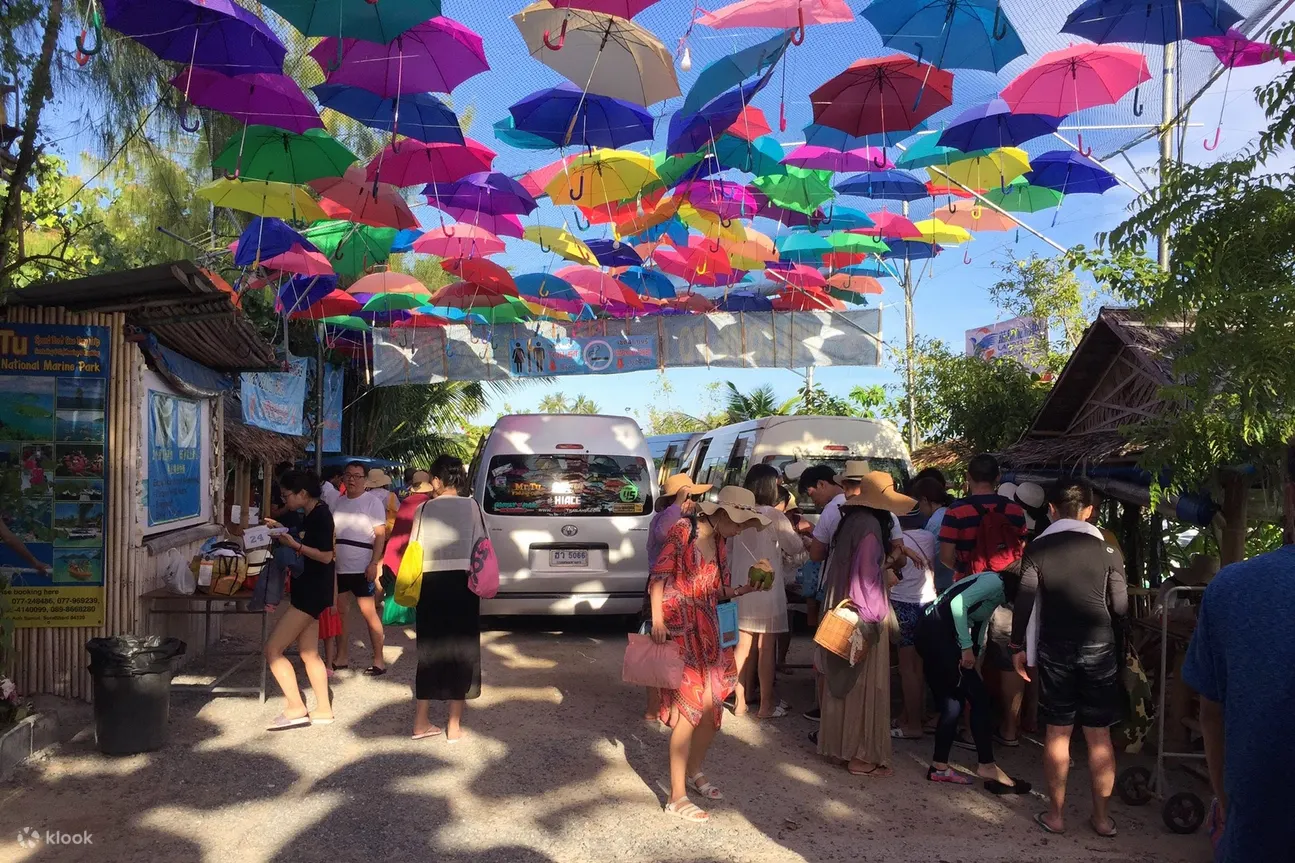
Budget airlines fly from Bangkok to Surat Thani several times a day. At the airport, combined bus and ferry tickets are sold at counters right in the arrivals hall, and they take you all the way to Samui. The bus drives to the pier on the coast, and from there a ferry crosses to the island.
There are two types of ferry. The car ferries are big, slow and steady, with seats inside, a snack bar and room for vehicles. They arrive on the west coast of Samui, so you still need a taxi across the island to Chaweng or Lamai. The faster passenger boats are quicker but feel the waves more.
Here is what a typical Surat Thani day looks like in practice:
Each part is easy, but the waiting adds up. A late afternoon landing can mean arriving on Samui after dark, which is fine but tiring. If you choose this route, take an early flight, keep water and snacks in your bag, and enjoy the sea crossing: the first view of Samui from the ferry is one of the best welcomes the island gives.
You can go from Bangkok by overnight train or overnight bus to the south, then take a ferry. Overland is the cheapest way to reach Samui, but you lose a night of proper sleep and arrive around midday at the earliest.
The train from Bangkok to Surat Thani runs through the night, and a sleeper berth is the most comfortable way to do the overland trip. Lower berths are a little wider and have a window, upper berths are cheaper and darker. Book ahead in high season, because sleepers sell out.
The station for Surat Thani is outside the town, and from there buses connect to the ferry pier. Combined train, bus and ferry tickets exist and save some hassle. Expect delays: Thai trains are pleasant and safe, but punctuality is not their strong point.
Overnight buses leave Bangkok in the evening and reach the pier in the early morning, with the ferry after that. It is the cheapest option of all, and also the least comfortable. Choose government buses or well-reviewed operators from the official bus terminal, and keep valuables on you, not in the luggage hold.
Avoid the very cheap tourist buses sold on the street in backpacker areas. They are cheap for a reason: they are often cramped and late, and theft from bags during the night happens. Paying a bit more for a proper ticket is worth it.
Honestly, I only recommend the overland route if you have time, enjoy the journey itself, or are travelling on a strict budget. For a two-week holiday, the money you save rarely makes up for the lost day and the tired arrival.
From Phuket and Krabi you can fly direct or go by minivan and ferry across the mainland. The flight is short and easy; the minivan and ferry take most of a day but cost much less and show you the countryside.
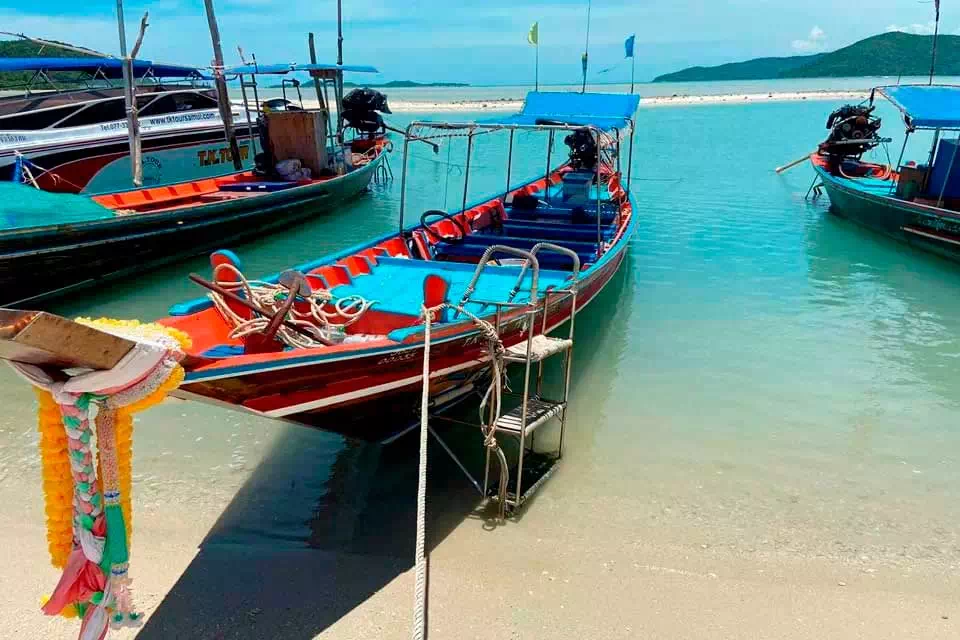
Phuket and Krabi are on the Andaman coast, on the other side of the peninsula. Minivans run across the mainland to the Gulf piers, where you take the ferry to Samui. Combined tickets are easy to buy from hotels and travel desks. The road is long and the driving can be fast, so if someone in your group gets carsick, take a tablet before you leave.
Direct flights between Phuket and Samui are short and popular with travellers who want to see both coasts in one trip. A useful plan many people use: spend the first part of the holiday on the Andaman side and the second on Samui, or the other way round, depending on the season.
From Koh Phangan and Koh Tao, Samui is just a boat ride away. Ferries and speedboats run between the three islands every day, and the crossing from Phangan is short. Many people land on Samui first and visit the other islands from here.
If you only want a taste of the neighbours, you do not need to move there. A day trip to Koh Tao and Nang Yuan covers the best snorkeling of the north, and the Full Moon Party transfer from Samui takes you to Haad Rin on Koh Phangan by speedboat in about 20 minutes, with hotel pickup.
The weather affects the boats far more than the planes. From about October to December, the rainy season on the Gulf side brings strong winds and rough seas, and ferries can be delayed, slowed or cancelled at short notice.
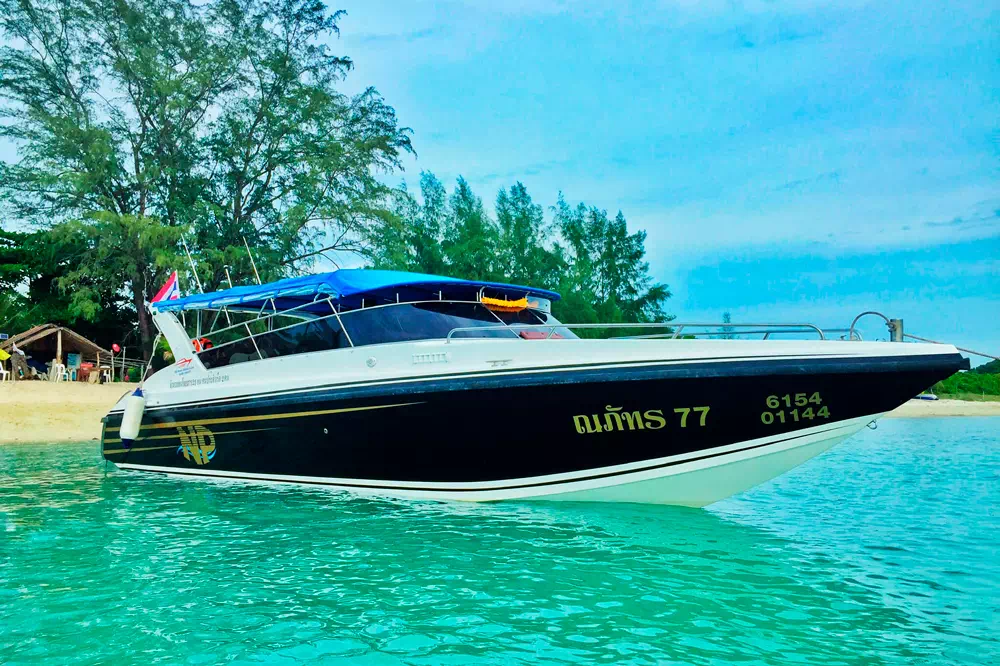
Samui sits in the Gulf of Thailand, so its rainy season is later than in Phuket and Krabi. In the wettest weeks, the small fast boats are the first to stop. The big car ferries usually keep running, but the crossing can be long and uncomfortable, and seasickness is common.
The rest of the year the sea is usually calm, and the ferry is a pleasant ride. Still, even in good months a windy spell can make the crossing bumpy. If you suffer from seasickness, sit low and in the middle of the boat, look at the horizon and avoid a heavy meal before boarding.
My firm rule for friends: never plan a ferry and an international flight on the same day if you can avoid it. Spend your last night near the departure airport, or fly out from Samui directly. A missed long-haul flight costs far more than a night in Bangkok.
Weather also matters for day trips once you are here. For example, Ang Thong National Marine Park is usually closed from 1 November to 15 December, and sea trips in the rainy season can be moved for safety, so keep some flexibility in your plans.
Choose by how much time you have and how you feel about long travel days. For most holidays of two weeks or less, a direct flight, or at least a flight to Surat Thani, gives you back a full day on the island.

Whatever you choose, book the first two nights in advance and arrange your hotel pickup. Arriving tired at a dark pier with no plan is the only really bad version of any route.
After a long travel day, plan something light for your first full day. Short trips with hotel pickup are the best way to start, because you do not have to drive or find anything yourself.

Give yourself one quiet beach day, then start exploring. A half-day sea trip or a morning with the elephants is a gentle start, and they leave the afternoon free for a nap by the pool. Save the long speedboat days, like Koh Tao, for when you are rested.
Families often start with the Pig Island tour, a short boat trip with snorkeling and kayaks, and Samui Elephant Kingdom, an ethical sanctuary where you feed the elephants by hand and there is no riding. Both include hotel pickup and lunch.
You can see all the options on the Go Samui Tours home page, or read the 10 best tours in Koh Samui for ideas. If you are unsure what fits your first week, send a WhatsApp message and we will help you plan around your arrival day.
A direct flight to Samui airport is the fastest way by far. From Bangkok the flight takes about an hour, and the main beaches are a short drive from the terminal. Every other route adds a ferry and several hours of transfers.
No, Koh Samui is not connected to the mainland by a bridge. You either fly to Samui airport or take a ferry from the mainland. The car ferries also carry vehicles if you are driving.
Yes, you can drive to the ferry pier on the Gulf coast and take your car across on a car ferry. It is a long drive from Bangkok, so most people break it with a night on the way.
Usually, yes, often by a wide margin. But you need to add the bus and ferry and almost a full day of travel. For a short holiday the direct flight often feels worth the extra cost.
Yes, ferries run daily all year, with several crossings a day. In rough weather, especially from about October to December, some boats can be delayed or cancelled. Always check on the day and keep a buffer before important flights.
Most hotels can arrange a pickup, and there are taxis and minivans at the airport. The north and east coast beaches are close, while the south and west take longer. Agree on the taxi fare before you set off.
Yes, especially with a direct flight, which is short and lands close to the beaches. The ferry routes are fine too, but the long day with waiting and transfers is hard on small kids. Pack snacks, water and something to do.
Hotel pickup, insurance and a licensed local operator. Ask us anything on WhatsApp before you book.
Updated 5 November 2026.