WhatsApp
+66-957-269-990
- info@gosamuitours.com


An honest plan for a wet day on the island: which tours keep going in light rain, what stops in a storm, and the indoor options that are actually worth the taxi.
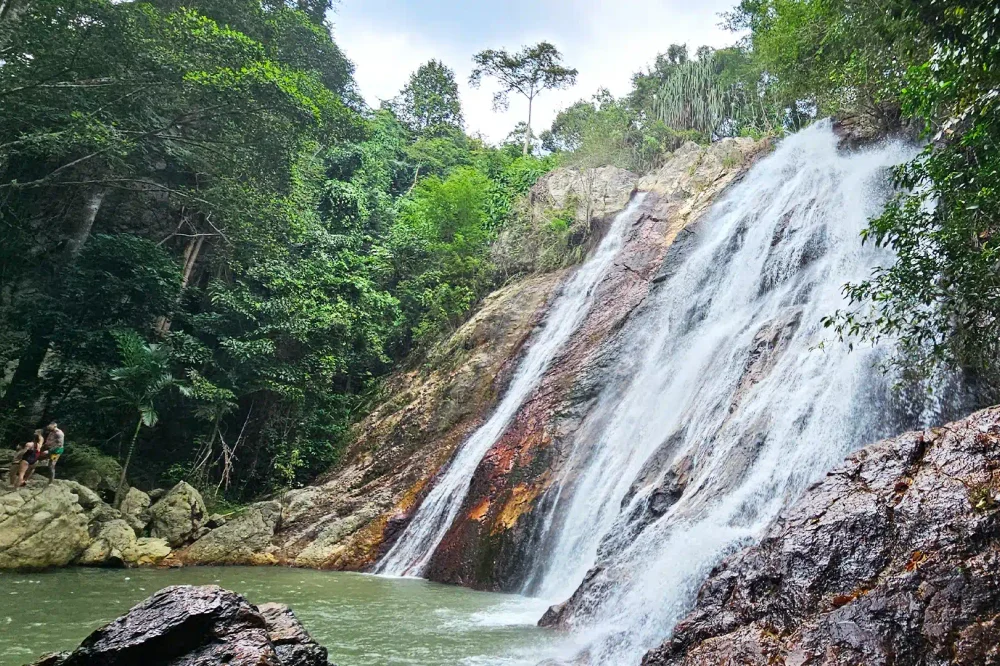
The first drops land in the pool at breakfast, the sky over Chaweng turns the colour of wet concrete, and the boat trip you were looking forward to suddenly looks doubtful. A Koh Samui rainy day feels like a small disaster for about ten minutes. Then you remember that some of the island's best days out happen under a jungle canopy or a good roof.
After years of living here, my advice is simple: stop staring at the forecast and change the plan. Here is what really works, what is a waste of a day, and what will get called off whatever you do.
Go inland or go indoors. The zipline, the elephant sanctuary and the ATV safari all usually run in light rain, while spas, temples, cafes and cooking classes do not care about the weather at all. The one thing to stop counting on is the sea: rain alone rarely ruins a day, but wind, waves and lightning do.
It also helps to know what kind of rain you have. Outside the monsoon, a typical Samui shower is loud, short and followed by steam and sunshine. In the wetter months, usually October to December, it can settle in for much longer. The article on Koh Samui weather in November explains what the worst stretch really looks like.
This is roughly how the options behave. Treat it as a guide, because the final call on any outdoor activity is made on the day by the people running it.
| Option | Light rain | Thunderstorm or strong wind | Honest take |
|---|---|---|---|
| Hawk Adventure zipline | Usually runs | Expect a pause or a change of time | Fun in the wet, but you lose the sea views |
| Samui Elephant Kingdom | Usually runs | Expect waiting under cover | The safest rainy day choice for families |
| ATV and buggy safari | Usually runs, with more mud | Check before you leave the hotel | Best if you are happy to get filthy |
| Spa and Thai massage | Open | Open | The easiest win on the list |
| Temples | Open | Open, but wait it out | Good in a drizzle, watch wet steps |
| Boat trips and jet skis | Depends on the sea | Likely cancelled | Never build your only plan around them |
Usually yes in light rain, and it is the most fun you can have on a grey day. Thunder is another matter: nobody should be clipped to a steel cable with lightning around, so expect a pause or a change of slot if a storm rolls through.
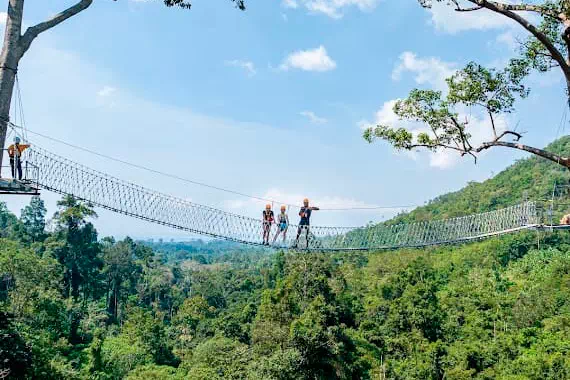
The park sits in tropical jungle near the hidden Zong Raue waterfall, and most of the route stays under or among the trees. You will get damp, of course. But the air is cooler than on a blazing afternoon, and the climb between platforms stops being a sweaty chore.
The detail that matters most on an unsettled day is the timing. Hawk Adventure runs three hotel transfers daily, in the morning, at midday and in the afternoon, so a stormy morning does not have to mean a lost day. Ask about moving to a later slot if the sky looks bad, rather than cancelling outright.
There are two routes. Hawk Silver costs ฿1690 and takes about an hour on 13 platforms, while Hawk Gold costs ฿2390 and takes about two hours on 33 platforms, with three abseil drops of 20, 30 and 40 metres. In doubtful weather I lean towards Silver, because a shorter route is easier to fit between showers. If the forecast is merely drizzly and you came for the full thing, Gold is still worth it.
Closed-toe shoes that fit securely are not optional, and they matter more on wet boards. Leave the good camera at the hotel unless it is waterproof. Bring a photo of your passport too, since it is needed for the insurance. Full details of the routes are on the Hawk Adventure zipline page.
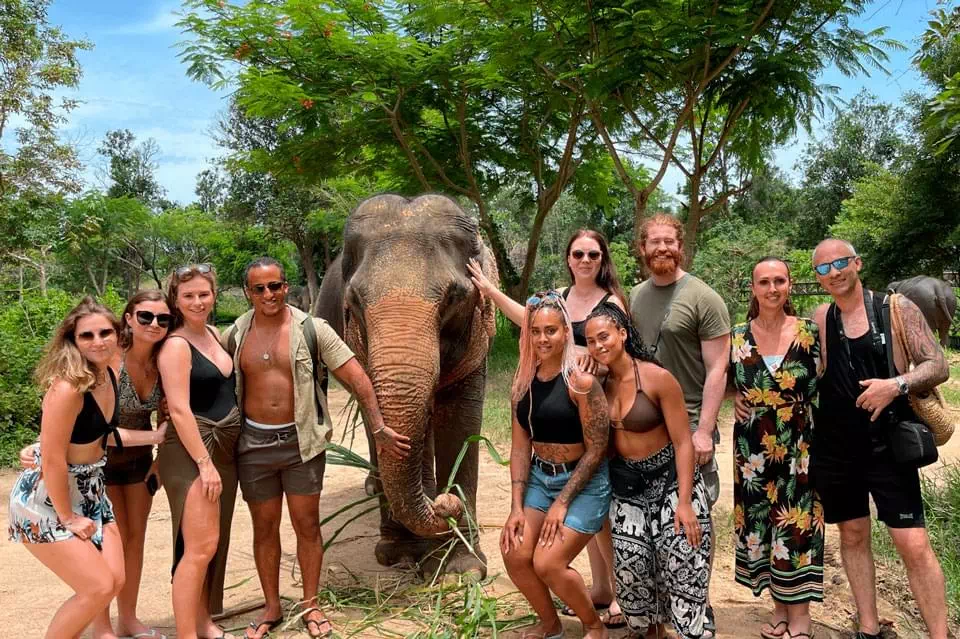
Yes, and it is probably my first choice for a wet day with children or grandparents. The elephants do not mind rain in the slightest, and the visit is a calm walking experience rather than something that depends on sunshine.
Samui Elephant Kingdom is an ethical sanctuary with no riding and no chains. The elephants live on more than 4 hectares of jungle, and you prepare their food yourself, then hand it over straight from your palm. That part is just as good in a drizzle, and the trunks arriving over the rail will make everybody forget the weather.
The centrepiece is the 400-metre Skywalk above the park, with shaded rest spots along the way where you can stop and watch the herd below. The tour costs from ฿2890 and already includes hotel transfer, snacks and a full buffet lunch, so nobody has to plan food or transport in the wet. That is half the stress of a rainy day gone.
A few honest warnings. The ground gets muddy, so wear comfortable closed-toe shoes and not your best white trainers. Mosquitoes love the hour after rain, so pack insect repellent. And in a real downpour you may spend some time under cover, which is fine if you are not in a hurry. The whole tour takes about 4 hours, so it fills a morning or an afternoon without draining you.
Photos will be moodier than the brochure, and honestly I like them better that way. Wet grey skin against bright green jungle looks good on any phone. Just keep the phone in a zip bag between shots.
Yes, usually, and many people would say the mud makes it better. Expect to come home properly dirty, and treat that as the point of the trip rather than a problem.
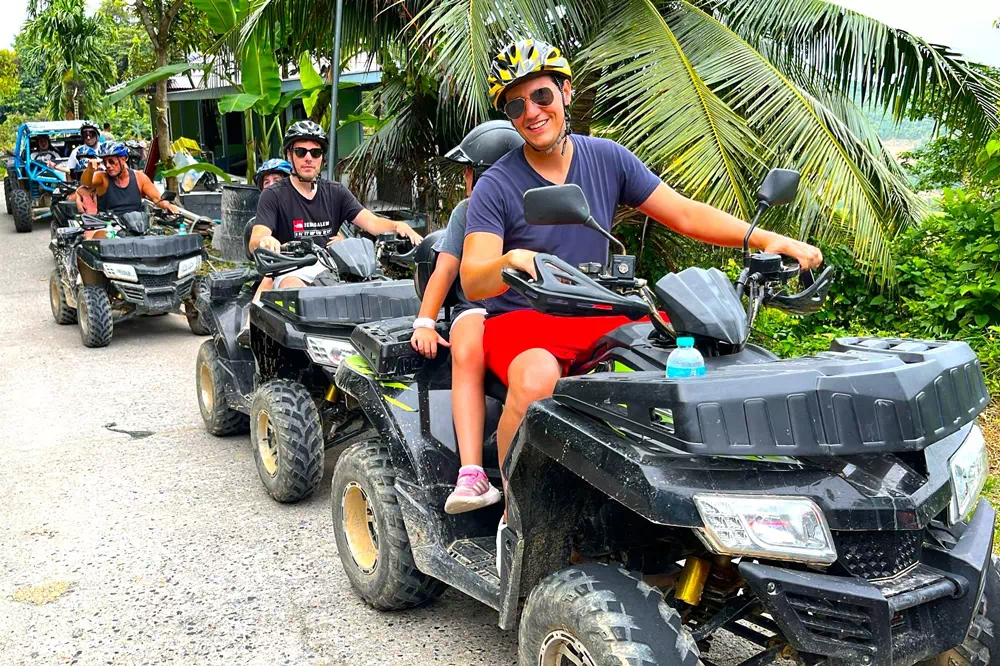
The quads have automatic transmission, and you get a briefing and a short training session before the start, so beginners cope fine. A two-hour ride costs from ฿2190 for one driver, and the route goes to a viewpoint and a secret waterfall, which tends to look its best after rain. A helmet and a face mask are provided, and swimwear is worth bringing on waterfall routes.
Now the downsides. Slippery tracks need more care, and a heavy downpour can make some of the route unpleasant or unwise, so check the plan before you leave the hotel. The viewpoint may also show you nothing but cloud. And never get into fast or brown water at a waterfall, however good it looks, because streams on Samui rise quickly.
This is not my pick for anyone nervous about driving, or for a family with small children. From 12 years old a child can drive alone, subject to ability, but on a slick trail I would keep younger teens as passengers or choose the sanctuary instead. There is more on routes and vehicles on the ATV and buggy safari page.
In short: the zipline suits people who want a thrill without the dirt, the sanctuary suits families and anyone after a gentle day, and the ATV suits those who are happy to end up covered in mud.
A Thai massage comes first, then a long cafe session or a cooking class. These are the three things I would actually choose in heavy rain, and none of them needs any weather checking.
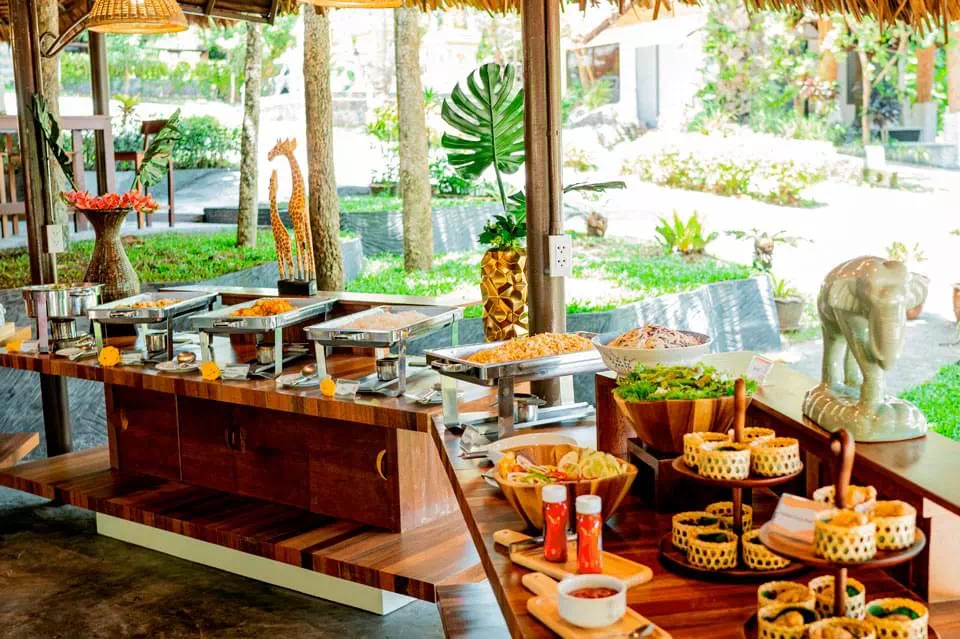
Rain drumming on the roof is a far better soundtrack than the usual panpipes. Small massage shops on the main roads of Chaweng, Lamai and Bophut are cheap and walk-in friendly. Resort spas cost a lot more but give you a proper afternoon with a steam room and a pool. On a wet day the good places fill up quickly, so book in the morning instead of turning up at 3 pm with everyone else.
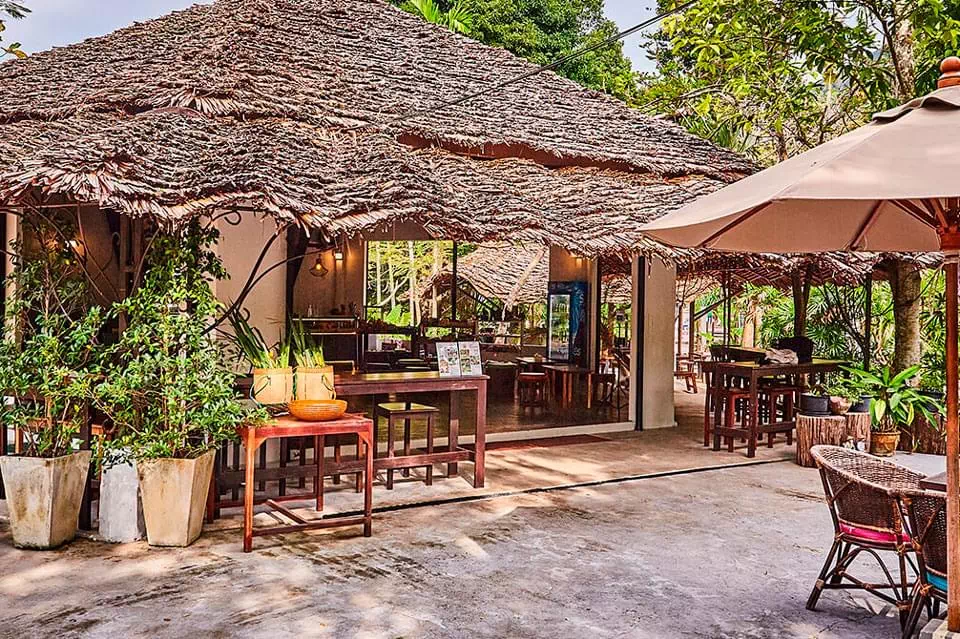
Samui has plenty of good coffee, and many cafes sit in the hills or facing the sea, so a storm rolling across the water becomes the entertainment. Bring a book, order something slow and accept that the island runs at its own speed today. An open-sided restaurant is fine in a shower but miserable in sideways rain, so choose one with proper shelter when the wind is up.
A Thai cooking class is ideal for couples and groups, because it fills a few hours and ends with lunch. Several resorts and small schools run them, usually with a market visit or a walk through the herbs first. Ask your hotel what is on, and book a day ahead if you can, since classes tend to be small.
Yes in a light drizzle, and no in a downpour. Temples are at their quietest when the tour buses stay away, and a grey sky is much kinder than the midday sun when you are walking around with covered shoulders and knees.

The north-east corner works best because several sights are close together. You can see the Big Buddha at Wat Phra Yai and carry on to nearby temples in one short taxi hop, then duck into a cafe when it gets heavy. Polished steps and tiles get very slippery when wet, so take your time and hold the rail at every staircase.
You will be taking your shoes off often, so sandals are easier here than the closed shoes you need for the zipline. A light rain jacket is better than an umbrella on crowded temple steps. And please keep it respectful: a dripping swimsuit under a sarong is not temple clothing.
Markets are more of a gamble. Covered day markets in the main towns are a good place to shelter, nibble on fruit and watch daily life. The open-air evening walking streets thin out badly in heavy rain and some stalls simply do not set up, so check with your hotel before crossing the island for one.
It can be, and you should want it to be if the sea is dangerous. Boat trips are called off for safety based on wind and waves, so a sunny morning with a strong wind can be worse than a calm grey one. The decision often comes the evening before or that morning, and no amount of arguing will change it.
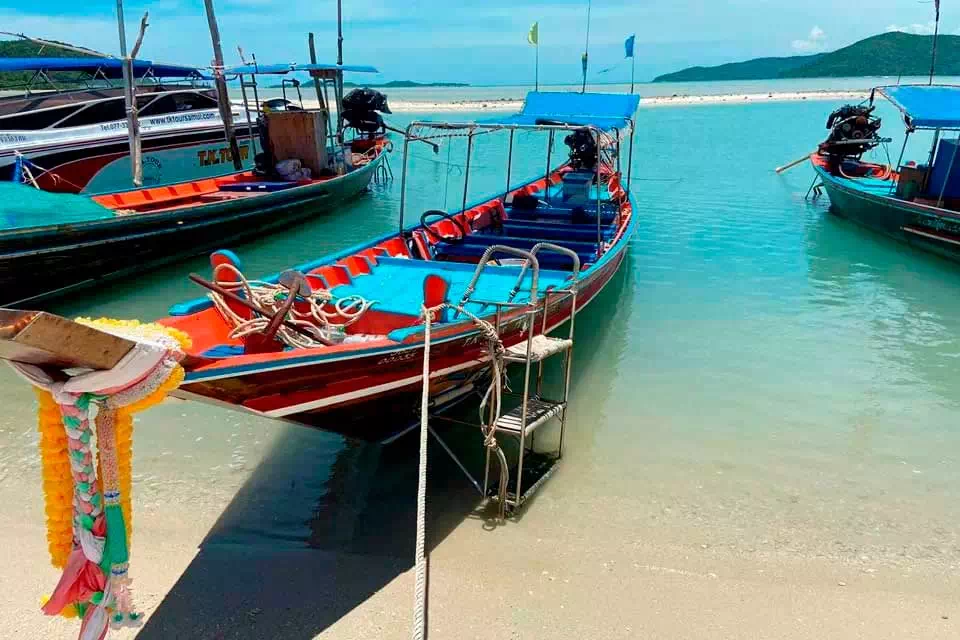
Long crossings feel rough weather the most, and that applies to trips such as Koh Tao and Nang Yuan. Shorter runs like Pig Island (Koh Madsum) are easier on most days, but they are still open water and can be stopped too. Jet ski safaris are particularly sensitive, as you are sitting right on top of the chop for hours.
The biggest thing to remember in the rainy season: Ang Thong National Marine Park is usually closed every year from 1 November to 15 December, and no Ang Thong tours run during that time. If your trip falls in those weeks, plan around it from the start. The month by month weather guide helps you see what to expect for your dates.
My practical rule is to book any boat trip in the first half of your holiday. Then a cancellation leaves you spare days to try again, instead of ending with a missed trip on your last morning. Before you pay, ask what happens if the trip is cancelled, so there are no surprises later.
Pick one outdoor activity and one indoor backup, and stay flexible on the time. Most of Samui's showers pass, so a day with a loose plan usually turns out better than the forecast suggested. Check a live rain radar instead of the forecast icon, which shows rain almost every day of the year and tells you very little.
A short checklist for the morning:
And keep some energy for the evening. The sky often clears towards sunset after a wet day, and the whole island smells of rain and frangipani. That hour on a damp terrace with a cold drink is, for me, one of the best parts of living here.
Most of the year, no. Rain usually comes as a heavy shower that passes within a short time, and the sun returns quickly. In the monsoon months, usually around November, you can get long grey spells and several wet days in a row.
November is usually the wettest month, with October and December also unsettled. Samui's pattern differs from much of Thailand, so July and August are often drier here than in Phuket. Weather varies from year to year, so keep your plans flexible.
A gentle shower is not a problem in a calm sea. Get out straight away if you hear thunder or see lightning. In the monsoon the east coast beaches can have strong waves and currents, so respect any warning flags.
Samui Elephant Kingdom is the easiest choice, since the visit is calm, includes lunch and has places to shelter. Children love preparing the food and handing it to the elephants. Older children who enjoy a thrill could try the zipline, but ask about age and size limits when you book.
A day ahead is ideal, but same-day requests are worth trying when the weather changes suddenly. Send a booking request on the tour page or a message on WhatsApp, and availability will be confirmed. Morning messages have the best chance, because pickups are arranged in advance.
They look far more impressive, but the paths get slippery and the water can be fast and muddy. Enjoy the view from a safe spot and only swim if the water is clear and calm. If you are in any doubt, stay out.
Quick-drying clothes and a very light rain jacket work better than anything heavy, because it stays warm even when it pours. Choose shoes with good grip for outdoor activities and easy sandals for temples. Carry a spare shirt, since you will want something dry for the ride home.
Hotel pickup, insurance and a licensed local operator. Ask us anything on WhatsApp before you book.
Updated 21 November 2026.